-
Shop
- Advanced Technologies
- AI Career Advantage Collection
- AI Skills
- AI Skills for Creators & Freelancers
- AI Client Management
- AI Ethics
- AI Mindset
- AI Tools & Prompts
- AI Writing & Content Creation
- Audio, Voice & Music
- Design & Visual Creation
- Email, Messaging & Communication
- Freelancing & Business
- Marketing, Ads & Conversion
- Productivity, Workflow & Automation
- SEO & Search Optimization
- Social Media Content & Growth
- Strategy, Planning & Analytics
- Video Creation & Editing
- Bathroom
- Beauty
- Best-Sellers
- Car Accessories
- Car Buying & Ownership
- Confidence
- Dating & Social Skills
- Digital Resources
- AI & Technology
- Budgeting & Saving
- Cozy Feast Collection
- Electronics & Technology
- Emotional Intelligence
- Entrepreneurship & Business Growth
- Financial Education
- Financial Independence
- Financial Mindset & Psychology
- Goal Setting
- Hobbies
- Kitchen & Recipes
- Leadership
- Mindfulness
- Mindset
- Motivation
- Online Business
- Positive Thinking
- Productivity
- Self Confidence
- Sleep Improvement
- Smart Life with AI
- Stress Management & Relaxation
- Travel Planning
- Yoga & Fitness
- Yoga & Mind-Body Practices
- Education & Learning
- Family & Parenting
- Gadgets
- Health & Beauty
- Health & Wellness
- Home & Garden
- Home Styling & Organization
- Home Supplies
- Kids & Babies
- Legend Footwear Brands Collection
- Online Business for Beginners
- Parenting & Child Development
- Patio, Lawn & Garden
- Personal Growth
- Personal Style & Fashion
- Pet Care
- Pet Lifestyle & Wellness
- Pet Supplies
- Pets
- Smart Amazon Shopping
- Stress Relief & Relaxation
- TikTok Growth & Monetization Mastery
- Travel
- Travel & Adventure
- Wealth
- Wellness
- Popular
- Best deals
Potential Buyers for Puma: Strategic, PE, and Regional
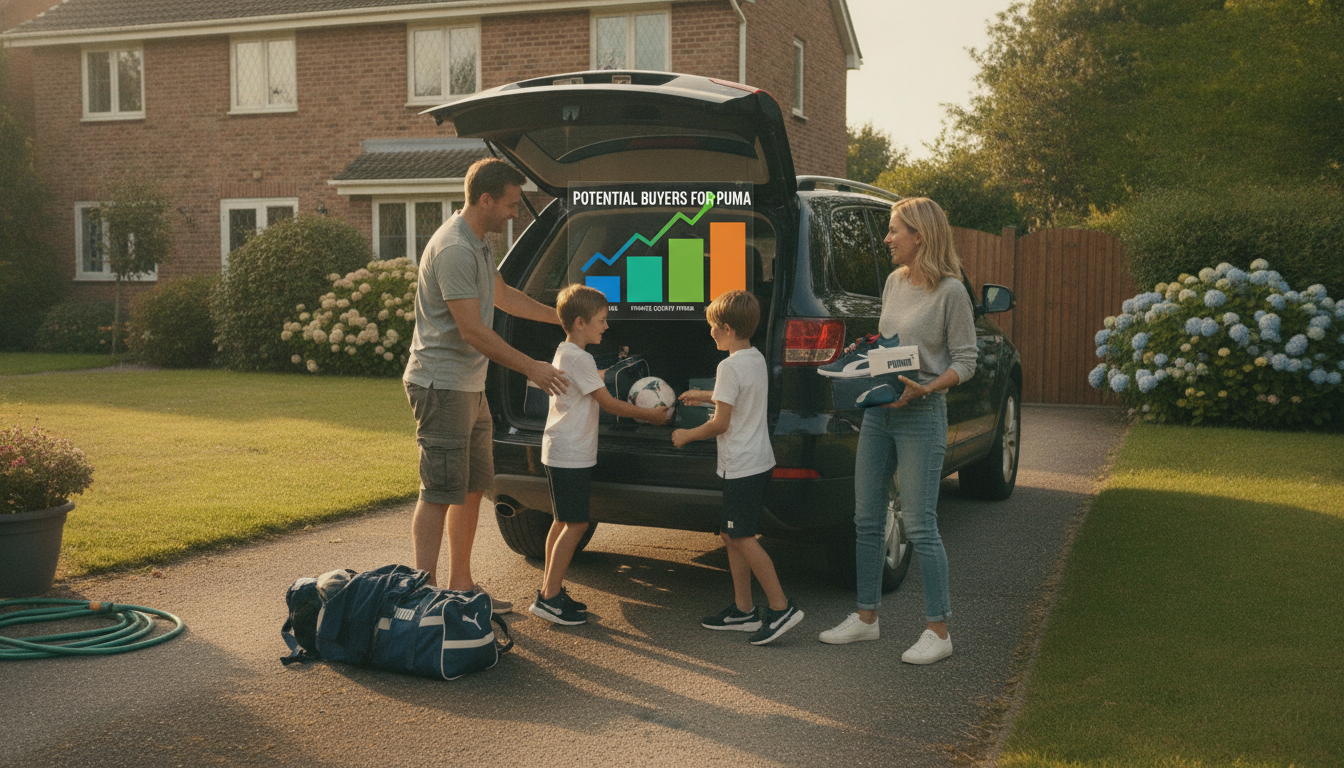
Who are the potential buyers for Puma?
Puma’s potential buyers generally fall into a few well-defined groups: strategic acquirers in the athletic and lifestyle space, financial sponsors looking for scale and turnaround upside, and regional partners aiming to expand distribution and brand relevance. The common thread is a buyer that can amplify Puma’s global footprint while protecting what makes the brand commercially valuable—its performance credibility, lifestyle appeal, and reach across wholesale and direct-to-consumer channels.
Strategic buyers in sportswear and lifestyle
The most intuitive buyer profile is a large apparel, footwear, or sporting-goods company seeking to broaden its portfolio. For a strategic acquirer, Puma can add category strength in footwear, access to team sports and running, and meaningful brand equity that can be leveraged across product lines. These buyers typically prioritize long-term brand building, product pipeline depth, and the ability to integrate sourcing, logistics, and retail operations to improve margins.
Consumer brand groups and retail-led acquirers
Another group includes consumer brand platforms and retailers that want a globally recognized label to drive traffic and loyalty. A buyer with strong retail execution could use Puma to accelerate omnichannel growth, expand private-label adjacencies, and optimize store concepts and merchandising. The fit improves when the acquirer already has a proven playbook for scaling international distribution and managing seasonal inventory cycles.
Private equity and other financial buyers
Private equity firms can be potential buyers when they see a clear value-creation plan—such as improving gross margin through sourcing efficiencies, sharpening product segmentation, expanding higher-margin direct channels, and tightening working capital. Financial sponsors often look for brands with global recognition, stable demand, and identifiable operational levers that can produce measurable improvements over a multi-year horizon.
Regional partners and long-term investors
Depending on deal structure, regional distribution leaders, family offices, or sovereign-linked investors may also be interested, particularly if they can unlock growth in specific markets. These buyers often focus on durable brand assets, licensing opportunities, and strategic control over local channels.
For a deeper breakdown of the buyer landscape and what typically drives interest in Puma, see the full guide: https://solsticia.com/guide-puma-buyer-uncovered-buyer-profile-ebook/.
FAQ
What factors make Puma attractive to an acquirer?
Buyers are often drawn to Puma’s global brand recognition, diverse footwear and apparel categories, and the ability to grow profitability through channel mix, operational efficiencies, and sharper brand positioning.
Recommended for you

How to Become a Better Thinker: A Simple Checklist
Jun 26, 2026













Leave a comment