-
Shop
- Advanced Technologies
- AI Career Advantage Collection
- AI Skills
- AI Skills for Creators & Freelancers
- AI Client Management
- AI Ethics
- AI Mindset
- AI Tools & Prompts
- AI Writing & Content Creation
- Audio, Voice & Music
- Design & Visual Creation
- Email, Messaging & Communication
- Freelancing & Business
- Marketing, Ads & Conversion
- Productivity, Workflow & Automation
- SEO & Search Optimization
- Social Media Content & Growth
- Strategy, Planning & Analytics
- Video Creation & Editing
- Bathroom
- Beauty
- Best-Sellers
- Car Accessories
- Car Buying & Ownership
- Confidence
- Dating & Social Skills
- Digital Resources
- AI & Technology
- Budgeting & Saving
- Cozy Feast Collection
- Electronics & Technology
- Emotional Intelligence
- Entrepreneurship & Business Growth
- Financial Education
- Financial Independence
- Financial Mindset & Psychology
- Goal Setting
- Hobbies
- Kitchen & Recipes
- Leadership
- Mindfulness
- Mindset
- Motivation
- Online Business
- Positive Thinking
- Productivity
- Self Confidence
- Sleep Improvement
- Smart Life with AI
- Stress Management & Relaxation
- Travel Planning
- Yoga & Fitness
- Yoga & Mind-Body Practices
- Education & Learning
- Family & Parenting
- Gadgets
- Health & Beauty
- Health & Wellness
- Home & Garden
- Home Styling & Organization
- Home Supplies
- Kids & Babies
- Legend Footwear Brands Collection
- Online Business for Beginners
- Parenting & Child Development
- Patio, Lawn & Garden
- Personal Growth
- Personal Style & Fashion
- Pet Care
- Pet Lifestyle & Wellness
- Pet Supplies
- Pets
- Smart Amazon Shopping
- Stress Relief & Relaxation
- TikTok Growth & Monetization Mastery
- Travel
- Travel & Adventure
- Wealth
- Wellness
- Popular
- Best deals
Power of Pay: Motivate Employees Without Breaking Trust

Why pay is never “just pay”
Pay is more than a line item—it’s a signal. It tells people what the organization values, how it defines “great work,” and whether effort will be recognized fairly. When our team helps leaders think through compensation, we start with a simple truth: money can sharpen focus and reduce turnover, but unclear or inconsistent pay can quietly drain motivation even on otherwise strong teams. The goal isn’t to “buy” engagement; it’s to align compensation with the culture you’re building and the outcomes you actually need.
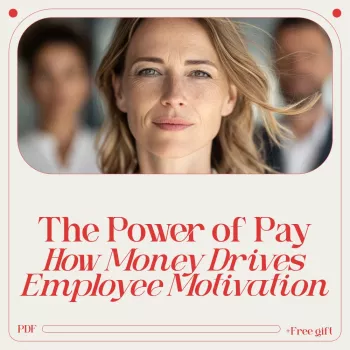
If you want a structured, practical reference you can use with managers and HR partners, our team recommends The Power of Pay: How Money Drives Employee Motivation | Practical Guide on How Does Money Motivate Employees for Leaders & HR. It’s designed to help you explain raises, set standards, and make incentive plans easier to run (and easier to trust).
What pay actually motivates: the three signals employees read
1) The security signal
When pay reliably meets basic needs, you reduce financial stress—freeing attention for deeper work, better decisions, and longer-term thinking. If your wages are materially below market for comparable roles, you’re not just risking turnover; you’re also asking people to perform while carrying avoidable uncertainty.
2) The fairness signal
Employees compare pay to peers, market rates, and their own contribution. If someone concludes “the system isn’t fair,” that belief can override recognition, mission, and perks. Fairness isn’t only about being equal; it’s about being consistent, explainable, and grounded in role scope and impact.
3) The progress signal
Raises, bonuses, and promotions communicate momentum. People stay engaged when they can see a path forward—and when movement feels achievable through behaviors they control. If progression is opaque, rumors fill the gap.
Money vs. motivation: when pay works—and when it backfires
Pay works best when expectations are clear, measurement is credible, and rewards are delivered consistently. Where teams struggle is usually not “we don’t pay enough” in isolation—it’s “we don’t know what good looks like,” “the metrics are arbitrary,” or “decisions feel inconsistent across managers.”
Pay backfires when incentives push speed over quality, short-term wins over long-term health, or when employees believe the target is unattainable. And money can’t substitute for poor leadership, chaotic workloads, or lack of autonomy; it amplifies what’s already true about the work environment.
Common pay pitfalls and what to do instead
| Pitfall | What employees experience | Better approach |
|---|---|---|
| Vague merit increases | Uncertainty and rumors | Define measurable performance tiers and document examples |
| One-size-fits-all bonus plans | Top performers feel capped; others feel it’s unattainable | Blend team and individual components with clear thresholds |
| Counteroffers as a retention strategy | Staying feels rewarded only when threatening to leave | Use stay interviews, market adjustments, and transparent pay bands |
| Incentives tied only to volume | Corner-cutting and burnout | Include quality, customer outcomes, and sustainability metrics |
The leader’s pay toolkit: four levers that drive motivation
Base pay: stability and respect
Base pay sets the floor for security and perceived respect. This is where market alignment matters most; if base pay lags, variable pay and perks won’t fully offset the signal. Treat base pay as your “trust anchor.”
Variable pay: focus with line-of-sight
Variable pay can focus effort fast—but only when goals are specific and controllable. Keep formulas simple enough to explain in two minutes without slides. If it takes a spreadsheet to understand, it won’t motivate day-to-day behavior.
Recognition pay: timely reinforcement
Spot bonuses and meaningful rewards can reinforce the behaviors you want repeated. Pair the reward with a specific description of impact (what happened, why it mattered, and what “good” should look like next time). That clarity is what makes the reward feel earned rather than random.
Growth pay: mastery and momentum
Make pay feel fair: consistency, clarity, and conversation
For widely used compensation frameworks and research-backed guidance, we keep these references handy: SHRM’s compensation resources and WorldatWork insights on total rewards.
Design incentives that don’t create the wrong behavior
If you’re rebuilding confidence after a messy merit cycle or a demotivating reorg, it can help to strengthen the human side alongside the system side. Our team also offers Confident Again: Your Step-by-Step Guide to Rebuilding Self-Belief – eBook for How to Rebuild Your Confidence as a practical reset for leaders and individuals navigating doubt and pressure.
Practical rollout: a 30–60–90 day pay motivation plan
Days 1–30: Diagnose
Days 31–60: Simplify and align
Days 61–90: Reinforce
When you want a single, manager-friendly playbook to keep on hand through this rollout, we built The Power of Pay: How Money Drives Employee Motivation to be used as a working reference—not a one-time read.
FAQ
Does money motivate employees long-term?
Money reliably affects retention, focus, and perceived fairness over time, especially when base pay is competitive and progression is credible. Long-term engagement also depends on growth, autonomy, and day-to-day leadership, so pay works best when it’s paired with clear career paths and meaningful recognition.
What’s the best way to structure bonuses without harming teamwork?
Use a balanced approach that combines team results with individual contribution, with simple metrics employees can influence directly. Add guardrails for quality, compliance, and ethics so people can’t “win” the bonus by creating downstream damage.
How can managers talk about pay when budgets are tight?
Acknowledge constraints plainly, then explain what drives future increases: role scope, skills growth, and measurable impact. Clarify what “next level” performance looks like and offer concrete development options and flexibility where possible—without presenting non-monetary benefits as a replacement for fair pay.















Leave a comment