-
Shop
- Advanced Technologies
- AI Career Advantage Collection
- AI Skills
- AI Skills for Creators & Freelancers
- AI Client Management
- AI Ethics
- AI Mindset
- AI Tools & Prompts
- AI Writing & Content Creation
- Audio, Voice & Music
- Design & Visual Creation
- Email, Messaging & Communication
- Freelancing & Business
- Marketing, Ads & Conversion
- Productivity, Workflow & Automation
- SEO & Search Optimization
- Social Media Content & Growth
- Strategy, Planning & Analytics
- Video Creation & Editing
- Bathroom
- Beauty
- Best-Sellers
- Car Accessories
- Car Buying & Ownership
- Confidence
- Dating & Social Skills
- Digital Resources
- AI & Technology
- Budgeting & Saving
- Cozy Feast Collection
- Electronics & Technology
- Emotional Intelligence
- Entrepreneurship & Business Growth
- Financial Education
- Financial Independence
- Financial Mindset & Psychology
- Goal Setting
- Hobbies
- Kitchen & Recipes
- Leadership
- Mindfulness
- Mindset
- Motivation
- Online Business
- Positive Thinking
- Productivity
- Self Confidence
- Sleep Improvement
- Smart Life with AI
- Stress Management & Relaxation
- Travel Planning
- Yoga & Fitness
- Yoga & Mind-Body Practices
- Education & Learning
- Family & Parenting
- Gadgets
- Health & Beauty
- Health & Wellness
- Home & Garden
- Home Styling & Organization
- Home Supplies
- Kids & Babies
- Legend Footwear Brands Collection
- Online Business for Beginners
- Parenting & Child Development
- Patio, Lawn & Garden
- Personal Growth
- Personal Style & Fashion
- Pet Care
- Pet Lifestyle & Wellness
- Pet Supplies
- Pets
- Smart Amazon Shopping
- Stress Relief & Relaxation
- TikTok Growth & Monetization Mastery
- Travel
- Travel & Adventure
- Wealth
- Wellness
- Popular
- Best deals
Stay Warm in Extreme Cold: Choose the Right Thermals
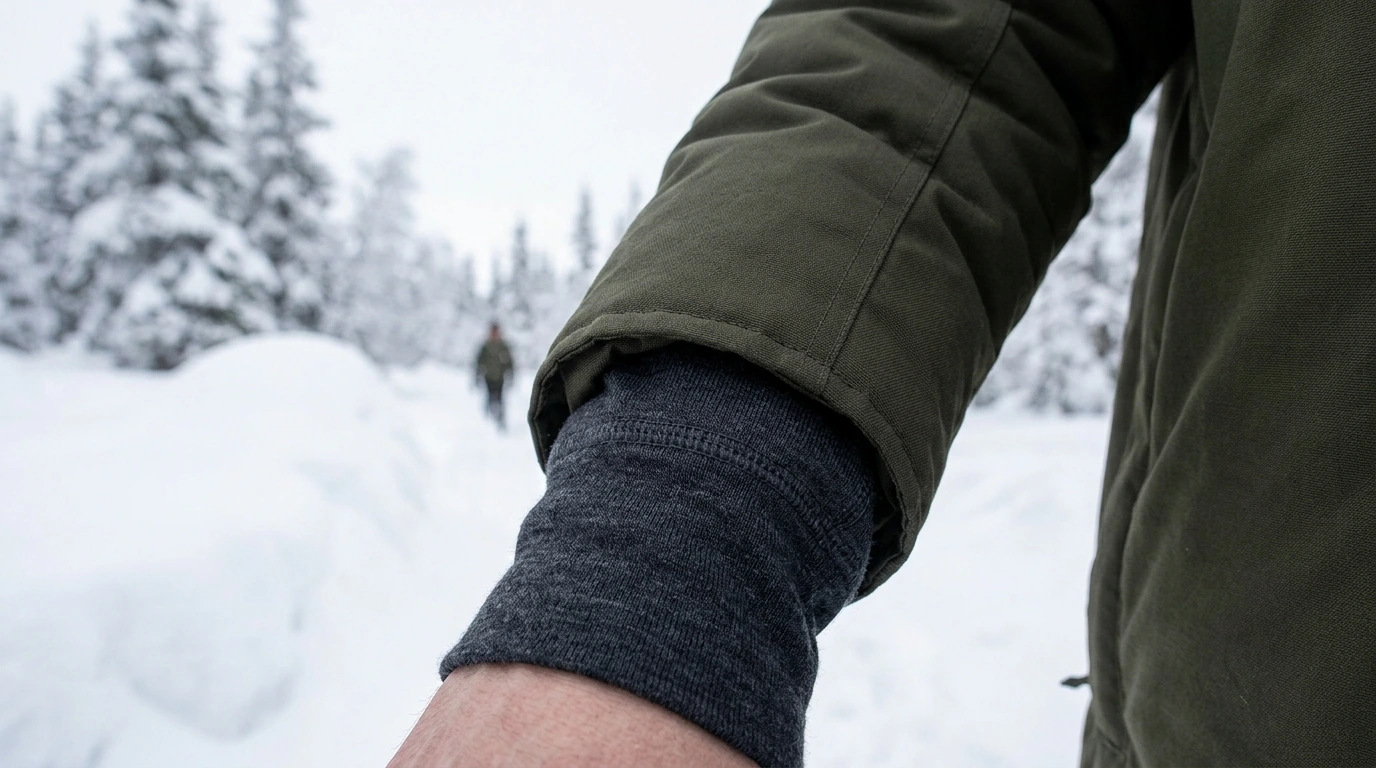
What kind of thermals are best for extreme cold weather?
For extreme cold, choose a heavyweight base layer made from merino wool or moisture-wicking synthetic fabric. The best thermals sit comfortably against your skin, help move perspiration away from your body, and cover the areas most exposed to cold. Pair them with insulating mid-layers and a wind-resistant outer layer; thermals work best as part of a complete system.
Which fabric should you choose?
Merino wool offers warmth while managing moisture and odors, making it a good option for long days outdoors. Synthetic fabrics such as polyester dry quickly and can be a practical choice for active use. Avoid cotton next to your skin in very cold conditions: when damp, it dries slowly and can leave you feeling chilled.
What weight and fit work best?
Look for heavyweight thermals when temperatures are severe or you expect to spend extended time outside. Midweight layers may be more comfortable if you’ll be moving vigorously, since overheating and sweat can make you cold later. Choose a close, flexible fit without tight spots or bunching. A snug layer can help manage moisture, but it shouldn’t restrict movement or circulation.
How should thermals fit into a cold-weather outfit?
Wear thermals as your base layer, then add an insulating layer such as fleece or wool and a protective shell suited to the conditions. Cover gaps at the wrists, waist, neck, and ankles with compatible layers. Adjust your clothing as your activity changes so you don’t build up excess sweat. For a practical layering sequence, read our four-layer winter outfit guide.
What details are worth prioritizing?
Flat or low-profile seams can reduce rubbing beneath other clothes, while a longer back or high neck can help keep coverage in place as you move. Consider separate tops and bottoms if you want to adjust coverage independently. For prolonged exposure to extreme cold, thermals alone are not enough; use weather-appropriate outerwear and take breaks in a warm place when needed.
FAQ
How should you layer clothing for a winter walk?
Start with a moisture-managing base layer, add insulation for warmth, and finish with an outer layer that protects you from wind and precipitation. Choose layers you can adjust as your pace and conditions change.
















Leave a comment