-
Shop
- Advanced Technologies
- AI Career Advantage Collection
- AI Skills
- AI Skills for Creators & Freelancers
- AI Client Management
- AI Ethics
- AI Mindset
- AI Tools & Prompts
- AI Writing & Content Creation
- Audio, Voice & Music
- Design & Visual Creation
- Email, Messaging & Communication
- Freelancing & Business
- Marketing, Ads & Conversion
- Productivity, Workflow & Automation
- SEO & Search Optimization
- Social Media Content & Growth
- Strategy, Planning & Analytics
- Video Creation & Editing
- Bathroom
- Beauty
- Best-Sellers
- Car Accessories
- Car Buying & Ownership
- Confidence
- Dating & Social Skills
- Digital Resources
- AI & Technology
- Budgeting & Saving
- Cozy Feast Collection
- Electronics & Technology
- Emotional Intelligence
- Entrepreneurship & Business Growth
- Financial Education
- Financial Independence
- Financial Mindset & Psychology
- Goal Setting
- Hobbies
- Kitchen & Recipes
- Leadership
- Mindfulness
- Mindset
- Motivation
- Online Business
- Positive Thinking
- Productivity
- Self Confidence
- Sleep Improvement
- Smart Life with AI
- Stress Management & Relaxation
- Travel Planning
- Yoga & Fitness
- Yoga & Mind-Body Practices
- Education & Learning
- Family & Parenting
- Gadgets
- Health & Beauty
- Health & Wellness
- Home & Garden
- Home Styling & Organization
- Home Supplies
- Kids & Babies
- Legend Footwear Brands Collection
- Online Business for Beginners
- Parenting & Child Development
- Patio, Lawn & Garden
- Personal Growth
- Personal Style & Fashion
- Pet Care
- Pet Lifestyle & Wellness
- Pet Supplies
- Pets
- Smart Amazon Shopping
- Stress Relief & Relaxation
- TikTok Growth & Monetization Mastery
- Travel
- Travel & Adventure
- Wealth
- Wellness
- Popular
- Best deals
Noisiest Dog Toy Types: Squeakers, Crinkle & Rattle
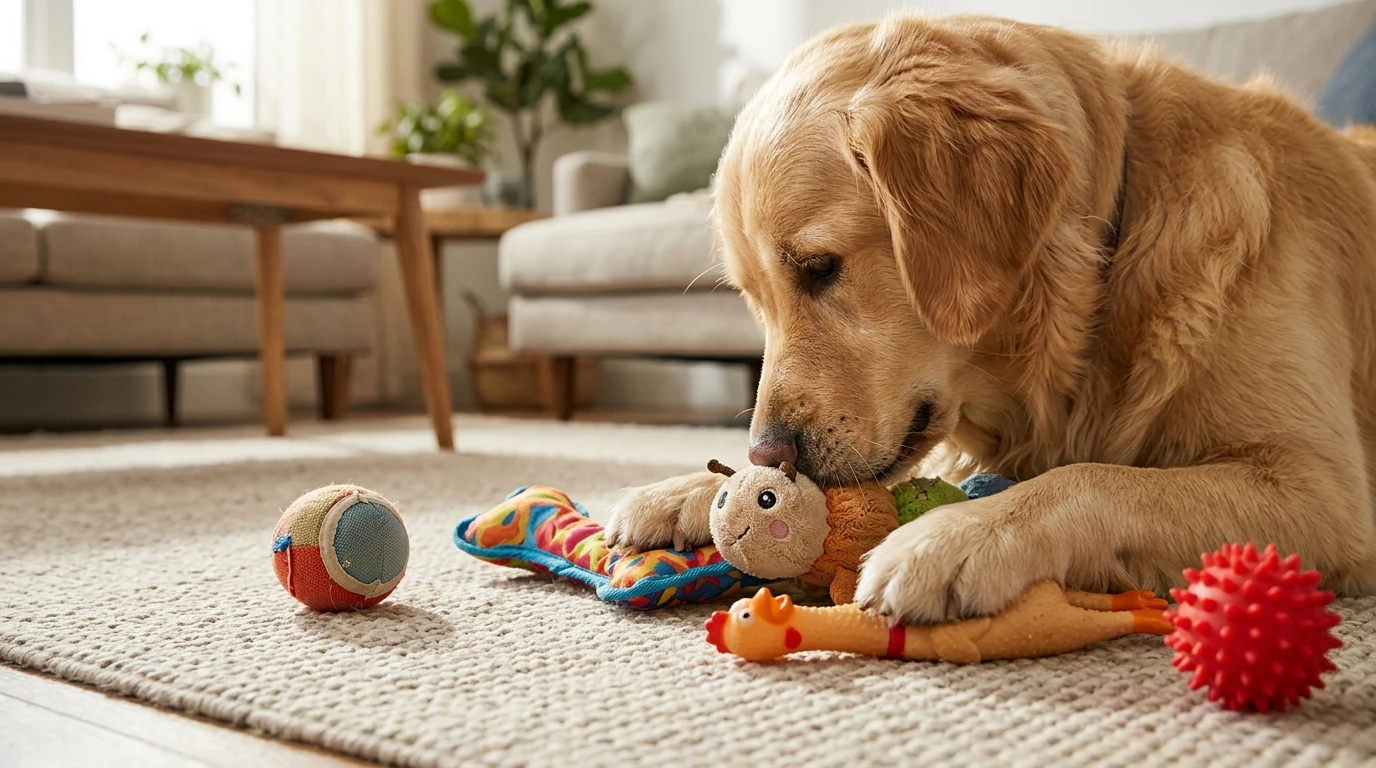
What Is the Noisiest Dog Toy?
The noisiest dog toys are usually hard, hollow toys that make sound from more than one source at a time—especially toys with a built-in squeaker plus a crinkly layer or a rattle chamber. In everyday homes, the “loudest” experience often comes from large squeakers inside firm rubber or thick plush, because they amplify the noise when your dog bites down and releases quickly.
Top Toy Types That Tend to Be the Loudest
Oversized squeaky toys are commonly the biggest volume offenders. Larger squeakers move more air, creating a sharper, more room-filling squeal, especially when paired with a sturdy outer shell that doesn’t dampen the sound.
Crinkle-and-squeak combos can feel nonstop. Even when your dog pauses chewing, the toy may keep crackling as it gets pawed, shaken, or carried, which adds constant background noise.
Hard plastic “talking” or rattle toys can be surprisingly loud on tile and hardwood. The impact noise plus the internal rattle makes them echo, particularly during fetch games indoors.
How to Choose the “Right Kind” of Noise
If you want a toy that grabs attention fast (training rewards, independent play, boredom-busting), a loud squeaker can be helpful. If you live in an apartment or share a space, consider reserving the noisiest toys for daytime sessions and rotating in quieter enrichment options the rest of the day.
Safety Tips Our Team Uses for Noisy Toys
Pick a size your dog can’t fit fully in their mouth, and retire the toy if the squeaker, crinkle insert, or seams become exposed. For powerful chewers, choose tougher outer materials so the sound-maker isn’t accessed quickly. Supervising the first few play sessions helps you confirm the toy matches your dog’s chew style.
Want an easy way to balance loud play with calmer activities? We built a rotation-friendly checklist and ideas here: Printable Busy Dog Toy Checklist & Enrichment Rotation Guide.
FAQ
How do I make a dog toy rotation?
Keep a small set of toys out for a few days, then swap them with a stored set to refresh interest. Mix categories—chew, food puzzle, tug, and a sound toy—so your dog gets variety without total toy overload.
Recommended for you

Rooted in Worth: 5–15 Minute Self-Worth Activities
Oct 10, 2026












Leave a comment