-
Shop
- Advanced Technologies
- AI Career Advantage Collection
- AI Skills
- AI Skills for Creators & Freelancers
- AI Client Management
- AI Ethics
- AI Mindset
- AI Tools & Prompts
- AI Writing & Content Creation
- Audio, Voice & Music
- Design & Visual Creation
- Email, Messaging & Communication
- Freelancing & Business
- Marketing, Ads & Conversion
- Productivity, Workflow & Automation
- SEO & Search Optimization
- Social Media Content & Growth
- Strategy, Planning & Analytics
- Video Creation & Editing
- Bathroom
- Beauty
- Best-Sellers
- Car Accessories
- Car Buying & Ownership
- Confidence
- Dating & Social Skills
- Digital Resources
- AI & Technology
- Budgeting & Saving
- Cozy Feast Collection
- Electronics & Technology
- Emotional Intelligence
- Entrepreneurship & Business Growth
- Financial Education
- Financial Independence
- Financial Mindset & Psychology
- Goal Setting
- Hobbies
- Kitchen & Recipes
- Leadership
- Mindfulness
- Mindset
- Motivation
- Online Business
- Positive Thinking
- Productivity
- Self Confidence
- Sleep Improvement
- Smart Life with AI
- Stress Management & Relaxation
- Travel Planning
- Yoga & Fitness
- Yoga & Mind-Body Practices
- Education & Learning
- Family & Parenting
- Gadgets
- Health & Beauty
- Health & Wellness
- Home & Garden
- Home Styling & Organization
- Home Supplies
- Kids & Babies
- Legend Footwear Brands Collection
- Online Business for Beginners
- Parenting & Child Development
- Patio, Lawn & Garden
- Personal Growth
- Personal Style & Fashion
- Pet Care
- Pet Lifestyle & Wellness
- Pet Supplies
- Pets
- Smart Amazon Shopping
- Stress Relief & Relaxation
- TikTok Growth & Monetization Mastery
- Travel
- Travel & Adventure
- Wealth
- Wellness
- Popular
- Best deals
Nike’s Cultural Impact: Sneakers, Style, and Identity
What is Nike’s cultural impact?
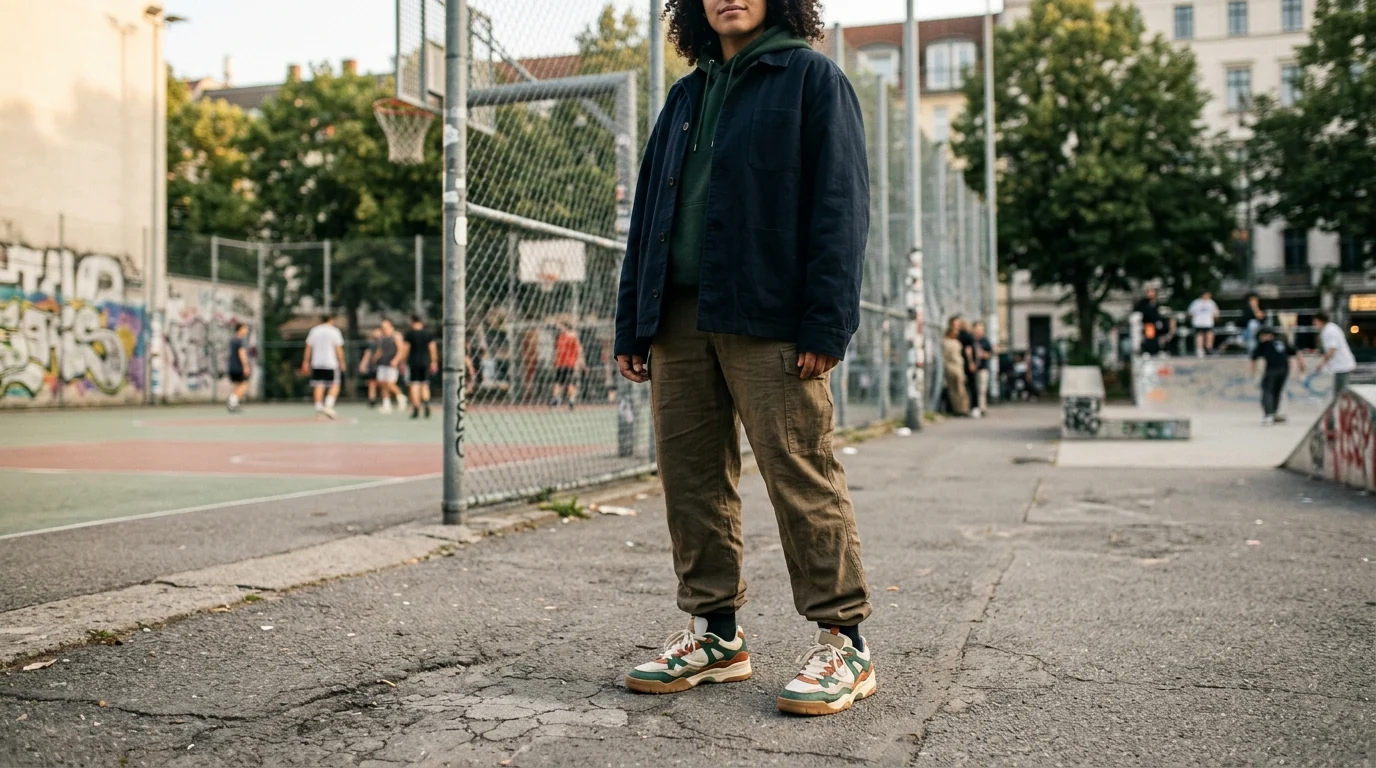
Nike’s cultural impact comes from how consistently it has shaped what people wear, how they identify with teams and communities, and how sports style moves into everyday life. From basketball courts to school hallways to creative studios, Nike helped make sneakers and athletic basics a default uniform—and a way to signal taste, ambition, and belonging.
One major influence is Nike’s role in sneaker culture. Limited drops, iconic colorways, and long-running franchises turned certain models into collectibles and conversation starters. That demand didn’t stay in sports; it fueled streetwear, resale marketplaces, and “fit” culture where footwear anchors an entire outfit. Our team sees it most clearly in how shoppers build wardrobes around one pair: a statement sneaker first, then matching layers and accessories.
Nike also changed the relationship between athletes and style. Signature lines and athlete partnerships made performance gear personal, not generic—especially through basketball, running, and training categories. That shift helped normalize wearing technical apparel as daily wear: track jackets, leggings, and performance tees became acceptable (and expected) far beyond the gym.
In fashion, Nike’s impact shows up in collaborations and the way designers borrow athletic silhouettes. Sneakers pair with tailoring, and sport details—mesh, reflective hits, visible cushioning—translate into runway and contemporary collections. Digital culture amplified this further: drops, social media styling, and community storytelling turned product releases into shared moments with real-world ripple effects.
If you want a deeper breakdown of how Nike connects fashion and digital culture, we recommend reading our full guide: Nike’s cultural influence on fashion (digital guide). When you’re shopping, practical product guidance is simple: start with a versatile Nike silhouette that matches your routine (commuting, workouts, weekends), then choose neutral tones if you want maximum outfit range or a bold colorway if you want your shoes to do the talking.
FAQ
How did Nike influence sneaker resale culture?
Nike’s limited releases and sought-after collaborations increased scarcity, which drove demand in secondary markets. That dynamic helped turn certain sneakers into tradable assets and status pieces, not just athletic footwear.















Leave a comment