-
Shop
- Advanced Technologies
- AI Career Advantage Collection
- AI Skills
- AI Skills for Creators & Freelancers
- AI Client Management
- AI Ethics
- AI Mindset
- AI Tools & Prompts
- AI Writing & Content Creation
- Audio, Voice & Music
- Design & Visual Creation
- Email, Messaging & Communication
- Freelancing & Business
- Marketing, Ads & Conversion
- Productivity, Workflow & Automation
- SEO & Search Optimization
- Social Media Content & Growth
- Strategy, Planning & Analytics
- Video Creation & Editing
- Bathroom
- Beauty
- Best-Sellers
- Car Accessories
- Car Buying & Ownership
- Confidence
- Dating & Social Skills
- Digital Resources
- AI & Technology
- Budgeting & Saving
- Cozy Feast Collection
- Electronics & Technology
- Emotional Intelligence
- Entrepreneurship & Business Growth
- Financial Education
- Financial Independence
- Financial Mindset & Psychology
- Goal Setting
- Hobbies
- Kitchen & Recipes
- Leadership
- Mindfulness
- Mindset
- Motivation
- Online Business
- Positive Thinking
- Productivity
- Self Confidence
- Sleep Improvement
- Smart Life with AI
- Stress Management & Relaxation
- Travel Planning
- Yoga & Fitness
- Yoga & Mind-Body Practices
- Education & Learning
- Family & Parenting
- Gadgets
- Health & Beauty
- Health & Wellness
- Home & Garden
- Home Styling & Organization
- Home Supplies
- Kids & Babies
- Legend Footwear Brands Collection
- Online Business for Beginners
- Parenting & Child Development
- Patio, Lawn & Garden
- Personal Growth
- Personal Style & Fashion
- Pet Care
- Pet Lifestyle & Wellness
- Pet Supplies
- Pets
- Smart Amazon Shopping
- Stress Relief & Relaxation
- TikTok Growth & Monetization Mastery
- Travel
- Travel & Adventure
- Wealth
- Wellness
- Popular
- Best deals
Simple Relaxation Tools for Anxiety and Stress Relief
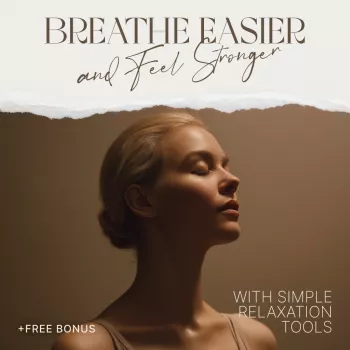
Breathe Easier and Feel Stronger: Simple Relaxation Tools for Anxiety Relief and Stress Management
Some days call for a full reset—something simple, portable, and realistic to use between meetings, before sleep, or right in the middle of a spiraling thought loop. Our team put this guide together around small tools that create big shifts: steadier breathing, quick body relaxation, grounding, and supportive routines that help your nervous system settle so focus and confidence can return.
Start with the fastest lever: the breath
Breathing is one of the quickest ways to send your body a “safer now” signal. When stress is high, your breathing often becomes shallow or hurried, which can amplify the feeling that something is wrong. Slower breathing—especially a gentler, longer exhale—tends to reduce the intensity of stress sensations.
- Try this for 2–4 minutes: inhale through your nose, pause briefly, then exhale a little longer than your inhale. Repeat at a comfortable pace.
- Add a physical cue: place a hand on your chest or belly as you breathe. Over time, this strengthens the calming association.
- Keep the goal practical: “a little calmer than 2 minutes ago,” not perfect calm.
Quick breathing options to match the moment
| Situation | What to do | How long | What to notice |
|---|---|---|---|
| Racing thoughts | Inhale 4, exhale 6 (comfortable, unforced) | 2–5 minutes | Jaw unclenching; shoulders lowering |
| Tight chest or tension | Box breathing: inhale 4, hold 4, exhale 4, hold 4 (adjust counts if needed) | 1–3 minutes | Tension shifting from upper chest to belly breathing |
| Before sleep | Slow nasal breathing + longer exhale (exhale 2–3 counts longer) | 5–10 minutes | Heaviness in limbs; slower blinking |
| Before a difficult task | Three “reset breaths”: inhale, gentle pause, long exhale | 30–60 seconds | Clearer next step; reduced urgency |
Relaxation tools that work when willpower is low
When anxiety is loud, “think positive” is rarely usable. These options work because they’re physical and concrete—you can do them even when your mind won’t cooperate.
- Progressive muscle relaxation: Tense one muscle group for a few seconds, then release slowly. Move from feet to face to teach your body the difference between tension and ease.
- Grounding with senses (5–4–3–2–1): Identify 5 things you see, 4 you feel, 3 you hear, 2 you smell, 1 you taste. It interrupts rumination by returning attention to the present.
- Temperature shift: Cool water on your wrists or a cool cloth on your face can act like an instant “pattern break” during spikes of anxiety.
- Micro-movement: Shoulder rolls, slow neck turns, or a short walk can discharge stress energy and reduce restlessness.
Build a “calm stack” for stressful days (pick 3 and repeat)
A calm stack is a short, repeatable routine you don’t have to reinvent. We recommend choosing one breath practice, one body practice, and one mindset practice so you always know what to do next.
- Example (10 minutes): 3 minutes longer exhales + 4 minutes muscle release + 3 minutes grounding or journaling.
- Keep the same sequence for two weeks: consistency trains faster than variety when stress is high.
- Anchor it to a daily trigger: after coffee, after your commute, or right before bed.
When anxiety shows up as “what if…”: gentle cognitive tools
You don’t have to win an argument with your thoughts. The aim is to create a little distance—enough to choose your next step.
- Name the pattern: “This is a worry story,” or “This is future-tripping.” Naming creates space without forcing the thought away.
- Ask the “next smallest step” question: What’s one action you can take within 5 minutes that moves you forward?
- Use realistic reassurance: “This feels intense, and it will pass. The goal is steadier, not perfect.”
- Set a worry window: Choose a daily 10-minute slot to write worries and one practical next step for each. Outside that window, return to breath or senses.
Make it easier to stay consistent: design the environment
If the plan is “remember everything when you’re stressed,” it won’t stick. Make calm the easiest option.
Use the guide as a daily practice—short, repeatable, and confidence-building
A simple 7-day reset plan (repeat as needed)
Recommended tools from our store
- Breathe Easier and Feel Stronger with Simple Relaxation Tools – A Guide for Anxiety Relief and Stress Management
- Confident Again: Your Step-by-Step Guide to Rebuilding Self-Belief – eBook for How to Rebuild Your Confidence
Helpful, evidence-based references
- American Psychological Association — Stress management and relaxation techniques
- National Center for Complementary and Integrative Health (NCCIH) — Relaxation techniques
- NHS — Breathing exercises for stress
FAQ
How long does it take for breathing exercises to help with anxiety?
You can often feel a small shift within minutes, especially when your exhale is slower and unforced. The longer-term benefit tends to build over days to weeks as your body learns the pattern and you repeat it consistently.
What if breathing exercises make anxiety feel worse?
Make the practice gentler: shorten or remove breath holds, keep the inhale easy through your nose, and focus on a slightly longer exhale. If it still feels activating, switch to grounding or light movement; if panic is frequent or symptoms persist, consider working with a qualified clinician.
What is a realistic daily routine for stress management when time is limited?
A workable baseline is 3–10 minutes: three reset breaths, 60–90 seconds of muscle release (shoulders/jaw/hands), and a quick 5–4–3–2–1 grounding scan. Tie it to an anchor you already do—after coffee, after you park, or before you plug in your phone for the night.
Recommended for you

Smart Lighting Upgrades to Brighten Your Home Fast
Oct 16, 2026










Leave a comment