-
Shop
- Advanced Technologies
- AI Career Advantage Collection
- AI Skills
- AI Skills for Creators & Freelancers
- AI Client Management
- AI Ethics
- AI Mindset
- AI Tools & Prompts
- AI Writing & Content Creation
- Audio, Voice & Music
- Design & Visual Creation
- Email, Messaging & Communication
- Freelancing & Business
- Marketing, Ads & Conversion
- Productivity, Workflow & Automation
- SEO & Search Optimization
- Social Media Content & Growth
- Strategy, Planning & Analytics
- Video Creation & Editing
- Bathroom
- Beauty
- Best-Sellers
- Car Accessories
- Car Buying & Ownership
- Confidence
- Dating & Social Skills
- Digital Resources
- AI & Technology
- Budgeting & Saving
- Cozy Feast Collection
- Electronics & Technology
- Emotional Intelligence
- Entrepreneurship & Business Growth
- Financial Education
- Financial Independence
- Financial Mindset & Psychology
- Goal Setting
- Hobbies
- Kitchen & Recipes
- Leadership
- Mindfulness
- Mindset
- Motivation
- Online Business
- Positive Thinking
- Productivity
- Self Confidence
- Sleep Improvement
- Smart Life with AI
- Stress Management & Relaxation
- Travel Planning
- Yoga & Fitness
- Yoga & Mind-Body Practices
- Education & Learning
- Family & Parenting
- Gadgets
- Health & Beauty
- Health & Wellness
- Home & Garden
- Home Styling & Organization
- Home Supplies
- Kids & Babies
- Legend Footwear Brands Collection
- Online Business for Beginners
- Parenting & Child Development
- Patio, Lawn & Garden
- Personal Growth
- Personal Style & Fashion
- Pet Care
- Pet Lifestyle & Wellness
- Pet Supplies
- Pets
- Smart Amazon Shopping
- Stress Relief & Relaxation
- TikTok Growth & Monetization Mastery
- Travel
- Travel & Adventure
- Wealth
- Wellness
- Popular
- Best deals
Safe Dog Ear Cleaning: A Printable Guide for Pet Owners
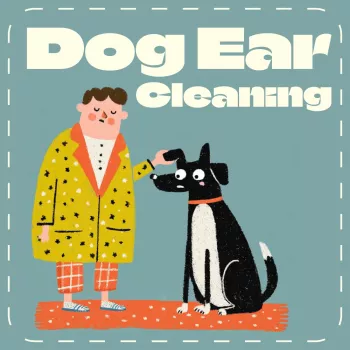
Taking care of your dog’s ears can feel less daunting when you have a plan and know when to ask for help. Our printable digital resource, The Pet Owner’s Guide to Safe Dog Ear Cleaning, gives you a convenient reference to keep alongside your pet care materials.
Every dog is different, so a gentle approach starts with your veterinarian’s advice. Before reaching for a cleaner, find out whether your dog needs routine cleaning and what is appropriate for their ears.
Why a Dog Ear Care Guide Can Help
Some dogs need ear cleaning as part of their care, while others may need it less often or not at all. Cleaning too frequently can irritate sensitive ears, so it’s best not to assume that more cleaning is better. Your veterinarian can help you decide what makes sense for your dog.
A printable guide can make it easier to keep useful information close at hand. You might store it with your dog’s veterinary paperwork or other care supplies, where you can refer to it before a session. It’s a companion to professional advice, not a substitute for an examination or individualized instructions.
We offer The Pet Owner’s Guide to Safe Dog Ear Cleaning as a printable digital guide for $7.99. It’s a practical option if you prefer a reference you can keep with your pet care materials.
Start With Your Veterinarian’s Advice
Before you establish a routine, ask your veterinarian whether your dog’s ears need cleaning, how often to clean them, and which ear cleaner to use. Your dog’s health history and the condition of their ears can affect those recommendations. If you’re unsure about the technique, ask your veterinary team to demonstrate it.
Take a moment to notice how your dog’s ears look and how your dog responds to touch. Redness, swelling, discharge, a strong odor, or discomfort are reasons to contact your veterinarian rather than attempt a cleaning at home. Even if you have cleaned your dog’s ears before, a new symptom calls for a fresh conversation with your vet.
For additional background, VCA’s dog ear-cleaning guidance explains the importance of veterinary direction and careful technique. Routine cleaning should not be treated as a way to prevent or treat an ear infection.
Prepare for a Gentle Cleaning Session
Once your veterinarian has advised you to clean your dog’s ears, choose a quiet place where you can both settle comfortably. Gather the recommended ear cleaner, cotton or gauze, and a few treats before you begin. Having supplies within reach means you won’t need to interrupt the session to search for them.
Approach your dog calmly and allow time for them to become comfortable. A treat and a reassuring voice can help make the experience less stressful. Follow your veterinarian’s instructions for the cleaner and technique rather than improvising with household products.
Do not insert cotton swabs or other objects into the ear canal. If you have questions about what you can safely wipe or how to handle the ear, ask your veterinary team for a demonstration. Gentle handling matters more than finishing quickly.
Watch your dog throughout the session. If they pull away, seem distressed, or show signs of pain, stop. You can contact your veterinarian for guidance on what to do next rather than trying to push through an uncomfortable experience.
Know When to Pause and Call the Vet
A little planning can help you distinguish a routine question from a situation that needs professional attention before any cleaning takes place. Use this table as a starting point, and follow the advice your veterinarian gives for your individual dog.
| Situation | Suggested next step |
|---|---|
| Unsure whether cleaning is needed | Ask your veterinarian about an appropriate schedule. |
| Redness, swelling, discharge, or strong odor | Contact your veterinarian before cleaning. |
| Your dog shows pain or distress | Stop and contact your veterinarian for guidance. |
If your dog has an existing ear condition, their care plan may differ from general guidance. Ask your veterinarian how that condition affects cleaning and follow their specific instructions. The American Kennel Club’s overview of ear infections also describes signs that deserve veterinary attention.
Keep the Guide Handy
You can keep your printed guide with your dog’s other care materials so it is easy to find when you’re preparing for a session. Consider keeping your veterinarian’s contact information and your dog’s individual instructions nearby, too. That way, you can refer to the right advice without relying on memory.
Our team also offers digital guides for other parts of home life, including Styling High-End Living Room if you’re looking for decorating ideas. For your dog’s ears, though, the most useful starting point is always a plan tailored to your pet by your veterinarian.
FAQ
How often should I clean my dog’s ears?
Cleaning frequency varies by dog. Ask your veterinarian whether cleaning is needed and what schedule is appropriate for your pet.
Can I use cotton swabs to clean my dog’s ears?
Do not insert cotton swabs into your dog’s ear canal. Ask your veterinarian which supplies and techniques are suitable for your dog.
Should I clean my dog’s ears if they smell bad?
Contact your veterinarian before cleaning an ear with a strong odor, especially if you also notice discharge, redness, swelling, or discomfort.
Recommended for you



What Logo Has Three Stripes? Identifying Adidas
Oct 27, 2026
How Much Driving Makes a Car Worth It?
Oct 27, 2026













Leave a comment