-
Shop
- Advanced Technologies
- AI Career Advantage Collection
- AI Skills
- AI Skills for Creators & Freelancers
- AI Client Management
- AI Ethics
- AI Mindset
- AI Tools & Prompts
- AI Writing & Content Creation
- Audio, Voice & Music
- Design & Visual Creation
- Email, Messaging & Communication
- Freelancing & Business
- Marketing, Ads & Conversion
- Productivity, Workflow & Automation
- SEO & Search Optimization
- Social Media Content & Growth
- Strategy, Planning & Analytics
- Video Creation & Editing
- Bathroom
- Beauty
- Best-Sellers
- Car Accessories
- Car Buying & Ownership
- Confidence
- Dating & Social Skills
- Digital Resources
- AI & Technology
- Budgeting & Saving
- Cozy Feast Collection
- Electronics & Technology
- Emotional Intelligence
- Entrepreneurship & Business Growth
- Financial Education
- Financial Independence
- Financial Mindset & Psychology
- Goal Setting
- Hobbies
- Kitchen & Recipes
- Leadership
- Mindfulness
- Mindset
- Motivation
- Online Business
- Positive Thinking
- Productivity
- Self Confidence
- Sleep Improvement
- Smart Life with AI
- Stress Management & Relaxation
- Travel Planning
- Yoga & Fitness
- Yoga & Mind-Body Practices
- Education & Learning
- Family & Parenting
- Gadgets
- Health & Beauty
- Health & Wellness
- Home & Garden
- Home Styling & Organization
- Home Supplies
- Kids & Babies
- Legend Footwear Brands Collection
- Online Business for Beginners
- Parenting & Child Development
- Patio, Lawn & Garden
- Personal Growth
- Personal Style & Fashion
- Pet Care
- Pet Lifestyle & Wellness
- Pet Supplies
- Pets
- Smart Amazon Shopping
- Stress Relief & Relaxation
- TikTok Growth & Monetization Mastery
- Travel
- Travel & Adventure
- Wealth
- Wellness
- Popular
- Best deals
Late Payments: The Biggest Credit Score Killer

What is the biggest killer of credit scores?
The biggest single killer of a credit score is a missed or late payment. Payment history is the most heavily weighted part of most scoring models, so even one payment that goes 30 days past due can cause a noticeable drop and stay on your credit reports for years.
Why late payments hurt so much
Credit scores are designed to predict the likelihood you’ll repay future debt. When a payment is late, it signals higher risk than almost anything else, especially if it becomes 60 or 90 days past due, goes to collections, or turns into a charge-off. The longer the delinquency and the more recent it is, the greater the damage.
The common chain reaction that makes it worse
One late payment can trigger additional credit score problems fast: late fees make balances grow, higher balances can increase utilization, and skipped payments can lead to collections. If the late account is an installment loan like an auto loan, repeated delinquencies can also raise the risk of repossession, which can add another severe negative mark.
How our team recommends you prevent it
Build a simple “never miss” system: set up autopay for at least the minimum, align due dates right after payday, and keep a small buffer in your checking account so a low-balance week doesn’t turn into a late payment. If money is tight, contact the lender before you’re late—many will work with you on a due-date change or temporary hardship options that are far less damaging than a delinquency.
If you’re using a car loan to build credit
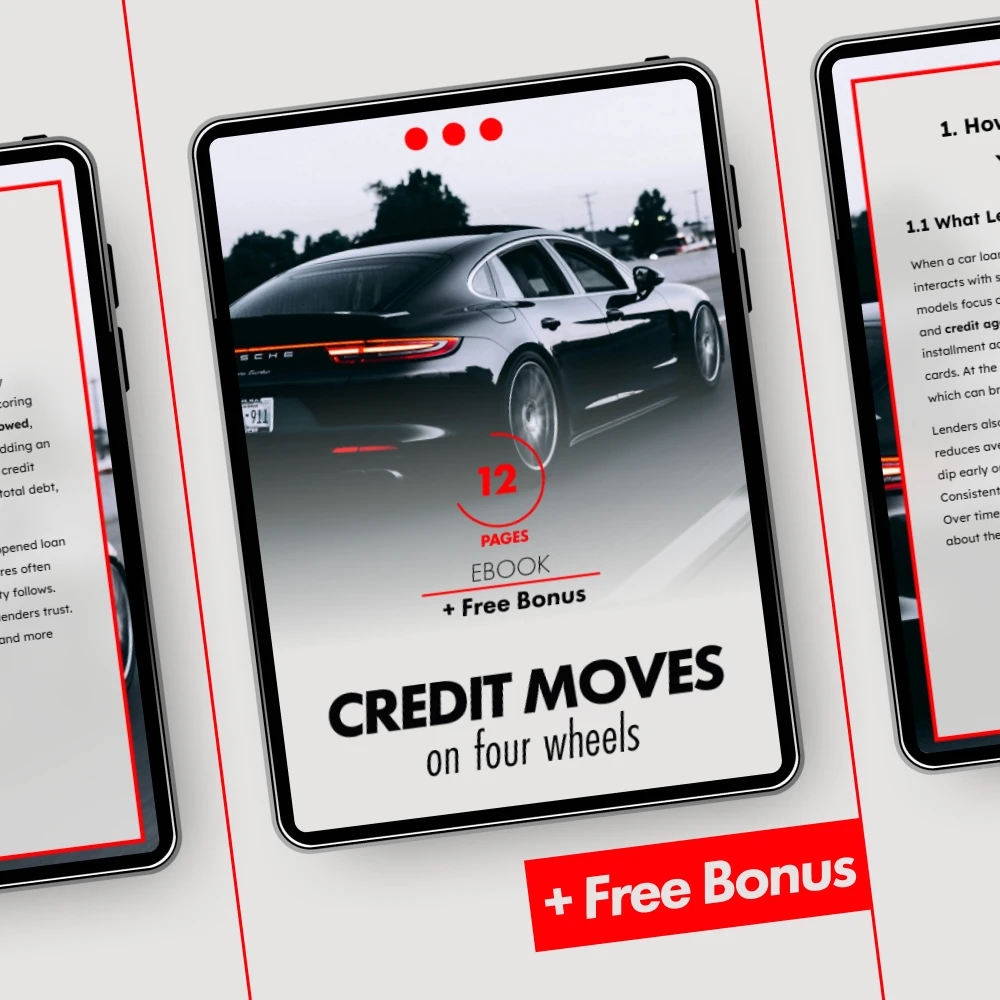
Auto loans can help diversify your credit mix and establish consistent on-time history, but only if payments are made on schedule. For practical strategies to build credit while avoiding common car-loan mistakes, see our guide here: https://solsticia.com/guide-car-loans-and-credit-build-your-score-without-mistakes/.
FAQ
Does paying off a car loan improve your credit score?
Paying off a car loan can help over time by locking in a completed history of on-time payments, but your score may dip temporarily if it reduces your mix of active accounts. The best long-term impact comes from making every payment on time until the loan is closed.















Leave a comment