-
Shop
- Advanced Technologies
- AI Career Advantage Collection
- AI Skills
- AI Skills for Creators & Freelancers
- AI Client Management
- AI Ethics
- AI Mindset
- AI Tools & Prompts
- AI Writing & Content Creation
- Audio, Voice & Music
- Design & Visual Creation
- Email, Messaging & Communication
- Freelancing & Business
- Marketing, Ads & Conversion
- Productivity, Workflow & Automation
- SEO & Search Optimization
- Social Media Content & Growth
- Strategy, Planning & Analytics
- Video Creation & Editing
- Bathroom
- Beauty
- Best-Sellers
- Car Accessories
- Car Buying & Ownership
- Confidence
- Dating & Social Skills
- Digital Resources
- AI & Technology
- Budgeting & Saving
- Cozy Feast Collection
- Electronics & Technology
- Emotional Intelligence
- Entrepreneurship & Business Growth
- Financial Education
- Financial Independence
- Financial Mindset & Psychology
- Goal Setting
- Hobbies
- Kitchen & Recipes
- Leadership
- Mindfulness
- Mindset
- Motivation
- Online Business
- Positive Thinking
- Productivity
- Self Confidence
- Sleep Improvement
- Smart Life with AI
- Stress Management & Relaxation
- Travel Planning
- Yoga & Fitness
- Yoga & Mind-Body Practices
- Education & Learning
- Family & Parenting
- Gadgets
- Health & Beauty
- Health & Wellness
- Home & Garden
- Home Styling & Organization
- Home Supplies
- Kids & Babies
- Legend Footwear Brands Collection
- Online Business for Beginners
- Parenting & Child Development
- Patio, Lawn & Garden
- Personal Growth
- Personal Style & Fashion
- Pet Care
- Pet Lifestyle & Wellness
- Pet Supplies
- Pets
- Smart Amazon Shopping
- Stress Relief & Relaxation
- TikTok Growth & Monetization Mastery
- Travel
- Travel & Adventure
- Wealth
- Wellness
- Popular
- Best deals
Car Loans and Credit: Build Your Score Without Mistakes
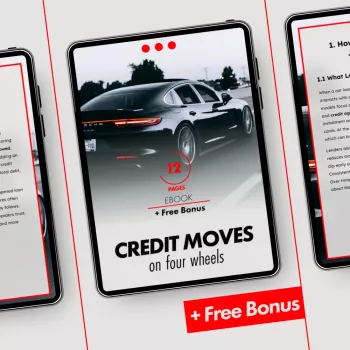
Credit Moves on Four Wheels: Make a Car Loan Work for Your Credit (Not Against It)
A car loan is more than a monthly payment—it’s a credit account that can shape what lenders see when they pull your report. Handled with intention, an auto loan can help build payment history, strengthen credit mix, and support future approvals. Handled casually, it can add hard inquiries, increase risk signals, and create costly setbacks. Our team put together this guide to lay out the credit mechanics behind auto financing and the exact decision points that matter most—before you sign, while you’re paying, and when you’re ready to refinance or sell.
What a Car Loan Actually Changes on Your Credit Profile
When you finance a vehicle, you open an installment account (a tradeline) that reports an original balance, current balance, required monthly payment, and term length. That one account can touch several scoring categories at the same time: payment history, amounts owed (measured differently than card utilization), length of history, new credit activity, and credit mix.
The Credit-Score “Pressure Points” During the Buying Process
Auto-loan decisions and what they tend to influence
| Decision point | What changes on credit | Smart move |
|---|---|---|
| Rate shopping across lenders | Hard inquiries may cluster if done in a short window | Compare offers within a tight shopping period and keep other credit applications on hold |
| Choosing a larger loan amount | Higher starting balance can keep the account looking heavily owed early on | Balance affordability with a down payment that avoids stretching the budget |
| Longer vs. shorter term | Longer term can keep balances higher longer; shorter term builds equity faster | Choose the shortest term that still keeps the payment comfortably manageable |
| Adding a cosigner | Loan reports on both files; both scores can be affected | Use only with clear payment rules and automatic payments enabled |
| Dealer add-ons rolled into the loan | Increases financed amount and total cost; slower payoff | Keep financed extras minimal so principal drops faster |
One practical approach: get preapproved first so you can keep rate shopping contained to a focused window, then compare the dealer’s offer against your preapproval. The Consumer Financial Protection Bureau’s auto loan resources can help you understand shopping steps and common cost traps: https://www.consumerfinance.gov/consumer-tools/auto-loans/.
How On-Time Payments Build Credit (and How Missed Payments Damage It Fast)
It also helps to know the reporting threshold. Many lenders don’t report a payment as “late” to the bureaus until it’s 30 days past due—meaning the biggest credit damage often lands after a full month of delinquency. Partial payments usually don’t prevent that reporting unless the lender considers the account current. If trouble is coming, act before the due date; calling early can open options like a due-date change or temporary hardship plan that may help you avoid delinquency reporting altogether. For a plain-English look at how auto loans can affect your credit over time, Experian’s overview is a helpful baseline: https://www.experian.com/blogs/ask-experian/how-a-car-loan-affects-your-credit/.
Balances, Paydown Speed, and Why Installment Loans Feel Different Than Cards
Paying a loan off is often a strong financial move, but your score can shift temporarily because the mix of active accounts changes. The long-term win is keeping every month clean—no late payments—and building a track record lenders trust. If you want a quick refresher on scoring categories and why some factors matter more than others, myFICO’s scoring factors overview is a reliable reference: https://www.myfico.com/credit-education/whats-in-your-credit-score.
Refinancing, Early Payoff, and the Right Moment to Make a Move
A Simple, Credit-Safe Auto-Loan Routine to Follow Each Month
Go Deeper: The eBook Built for Real-World Car-Loan Decisions
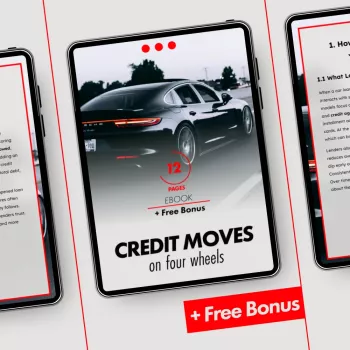
If you want a structured plan you can actually use during dealership days and throughout the life of the loan, our team created Credit Moves on Four Wheels – Smart Guide to How a Car Loan Affects Your Credit Score (Digital eBook Download). It walks you through inquiry timing, loan sizing, payment strategy, refinance triggers, and payoff planning so your car payment supports what you want next (housing, better rates, more options).
Compare related options such as Credit Moves on Four Wheels – Smart Guide to How a Car Loan Affects Your Credit Score | Digital eBook Download for Better Financial Decisions, and Everyday AI: Prompts to Supercharge Your Daily Life | Digital Guide | AI Prompt Templates for Daily Use | Productivity, Creativity & Organization Toolkit to match features, dimensions, and use case before choosing.
FAQ
Does getting a car loan hurt your credit score?
It can cause a short-term dip from the hard inquiry and the new account showing up, especially while the balance is still near the original amount. Over time, consistent on-time payments typically help more than the initial impact hurts, and many scoring models treat multiple auto inquiries in a short shopping window as one event.
Is it better for credit to pay off a car loan early?
Paying early is often a financial win because you can reduce interest and free up cash flow, but your score may shift temporarily when the account closes and your mix of active credit changes. The biggest credit benefit comes from never paying late and keeping the rest of your credit profile healthy while you pay it down.
How long should rate shopping for an auto loan take?
Keep your comparisons within a short, focused period so the inquiries are more likely to be treated as a single rate-shopping event by many scoring models. During that window, pause other credit applications to avoid stacking multiple “new credit” signals at once.















Leave a comment