-
Shop
- Advanced Technologies
- AI Career Advantage Collection
- AI Skills
- AI Skills for Creators & Freelancers
- AI Client Management
- AI Ethics
- AI Mindset
- AI Tools & Prompts
- AI Writing & Content Creation
- Audio, Voice & Music
- Design & Visual Creation
- Email, Messaging & Communication
- Freelancing & Business
- Marketing, Ads & Conversion
- Productivity, Workflow & Automation
- SEO & Search Optimization
- Social Media Content & Growth
- Strategy, Planning & Analytics
- Video Creation & Editing
- Bathroom
- Beauty
- Best-Sellers
- Car Accessories
- Car Buying & Ownership
- Confidence
- Dating & Social Skills
- Digital Resources
- AI & Technology
- Budgeting & Saving
- Cozy Feast Collection
- Electronics & Technology
- Emotional Intelligence
- Entrepreneurship & Business Growth
- Financial Education
- Financial Independence
- Financial Mindset & Psychology
- Goal Setting
- Hobbies
- Kitchen & Recipes
- Leadership
- Mindfulness
- Mindset
- Motivation
- Online Business
- Positive Thinking
- Productivity
- Self Confidence
- Sleep Improvement
- Smart Life with AI
- Stress Management & Relaxation
- Travel Planning
- Yoga & Fitness
- Yoga & Mind-Body Practices
- Education & Learning
- Family & Parenting
- Gadgets
- Health & Beauty
- Health & Wellness
- Home & Garden
- Home Styling & Organization
- Home Supplies
- Kids & Babies
- Legend Footwear Brands Collection
- Online Business for Beginners
- Parenting & Child Development
- Patio, Lawn & Garden
- Personal Growth
- Personal Style & Fashion
- Pet Care
- Pet Lifestyle & Wellness
- Pet Supplies
- Pets
- Smart Amazon Shopping
- Stress Relief & Relaxation
- TikTok Growth & Monetization Mastery
- Travel
- Travel & Adventure
- Wealth
- Wellness
- Popular
- Best deals
Petting a Cat While Kneading: Yes—If He Likes It
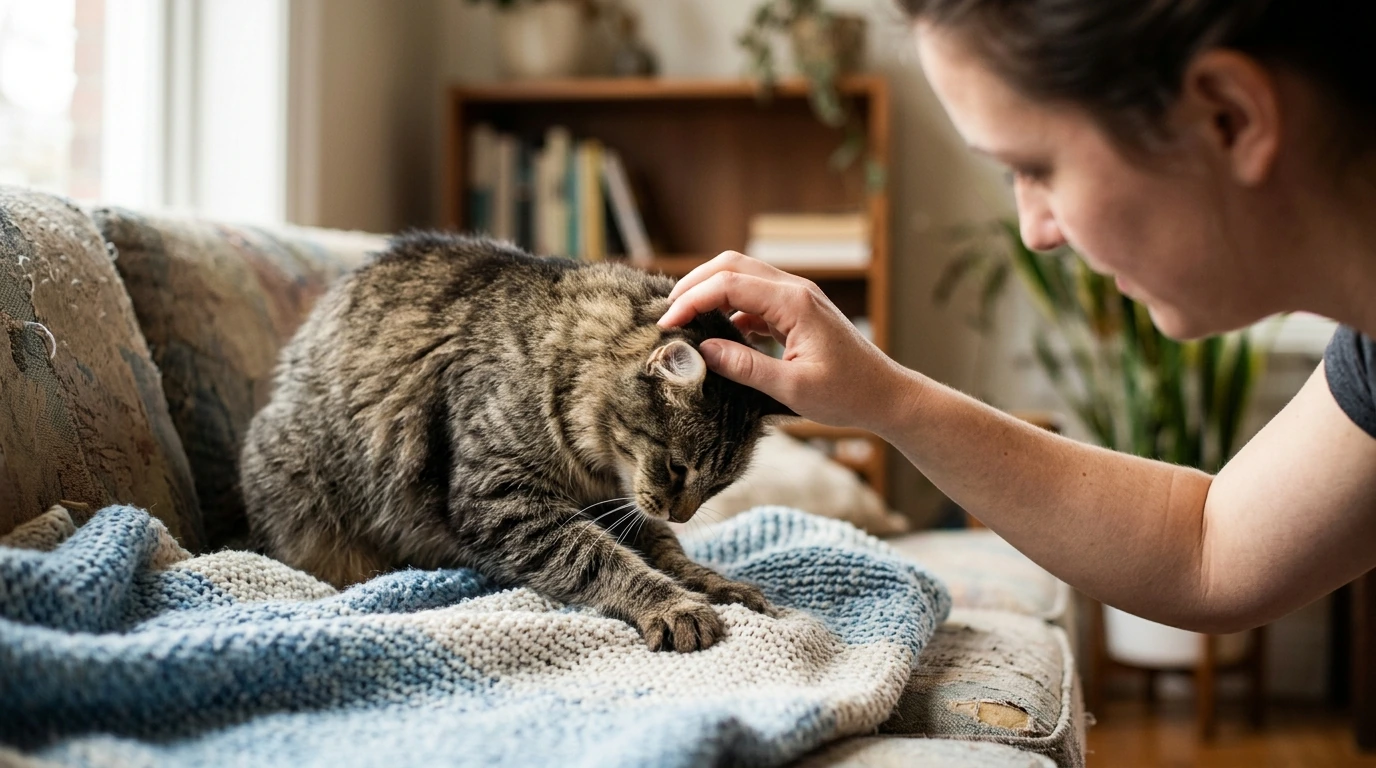
Should I pet my cat while he’s kneading?
You can pet your cat while he’s kneading, as long as he’s enjoying it. Kneading is usually a comfort behavior, and many cats welcome gentle contact during it. The key is to keep your touch light and to let your cat set the pace—kneading can be relaxing one moment and overstimulating the next.
How to pet during kneading (without interrupting the vibe)
Start with slow, soft strokes on low-sensitivity areas like the shoulders, back, or cheeks. Avoid pressing down on your cat’s paws while he’s working—those paws are part of the “routine,” and some cats don’t like their feet handled. If he’s kneading on your lap, place a thick blanket between you and his claws to keep everyone comfortable and to protect your clothing.
Watch for signs your cat wants you to stop: tail flicking, skin twitching, ears turning back, sudden stillness, or a quick head turn toward your hand. If you see any of those, pause and give him space. A calm kneading session should look loose and content, not tense.
When you should skip petting and make a small adjustment
If kneading turns into clawing that hurts, don’t scold—redirect. Slide a plush throw, a kneading blanket, or a small pet mat under his paws and pet him once he settles. Keeping nails trimmed helps, too, and offering a dedicated cozy spot (like a soft blanket on the sofa) can encourage kneading away from your bare skin.
Some cats knead as they get drowsy and may become extra sensitive. In that case, switch from stroking to a quiet “hand nearby” approach, or stop petting and let him finish. If you’d like a deeper look at what kneading can mean and how to guide it, our team put together a full guide here: https://solsticia.com/guide-cat-kneading-blankets-causes-clues-and-solutions/.
FAQ
Why does my cat knead blankets?
Many cats knead blankets because the soft texture feels comforting and familiar. It can also be a way to settle in, relax, and mark the spot with scent from their paws.
Recommended for you



adidas Brand Values: A Decision Filter You Can Use
Oct 19, 2026













Leave a comment