-
Shop
- Advanced Technologies
- AI Career Advantage Collection
- AI Skills
- AI Skills for Creators & Freelancers
- AI Client Management
- AI Ethics
- AI Mindset
- AI Tools & Prompts
- AI Writing & Content Creation
- Audio, Voice & Music
- Design & Visual Creation
- Email, Messaging & Communication
- Freelancing & Business
- Marketing, Ads & Conversion
- Productivity, Workflow & Automation
- SEO & Search Optimization
- Social Media Content & Growth
- Strategy, Planning & Analytics
- Video Creation & Editing
- Bathroom
- Beauty
- Best-Sellers
- Car Accessories
- Car Buying & Ownership
- Confidence
- Dating & Social Skills
- Digital Resources
- AI & Technology
- Budgeting & Saving
- Cozy Feast Collection
- Electronics & Technology
- Emotional Intelligence
- Entrepreneurship & Business Growth
- Financial Education
- Financial Independence
- Financial Mindset & Psychology
- Goal Setting
- Hobbies
- Kitchen & Recipes
- Leadership
- Mindfulness
- Mindset
- Motivation
- Online Business
- Positive Thinking
- Productivity
- Self Confidence
- Sleep Improvement
- Smart Life with AI
- Stress Management & Relaxation
- Travel Planning
- Yoga & Fitness
- Yoga & Mind-Body Practices
- Education & Learning
- Family & Parenting
- Gadgets
- Health & Beauty
- Health & Wellness
- Home & Garden
- Home Styling & Organization
- Home Supplies
- Kids & Babies
- Legend Footwear Brands Collection
- Online Business for Beginners
- Parenting & Child Development
- Patio, Lawn & Garden
- Personal Growth
- Personal Style & Fashion
- Pet Care
- Pet Lifestyle & Wellness
- Pet Supplies
- Pets
- Smart Amazon Shopping
- Stress Relief & Relaxation
- TikTok Growth & Monetization Mastery
- Travel
- Travel & Adventure
- Wealth
- Wellness
- Popular
- Best deals
Aromatherapy Checklist for Stress Relief (2–10 Min)
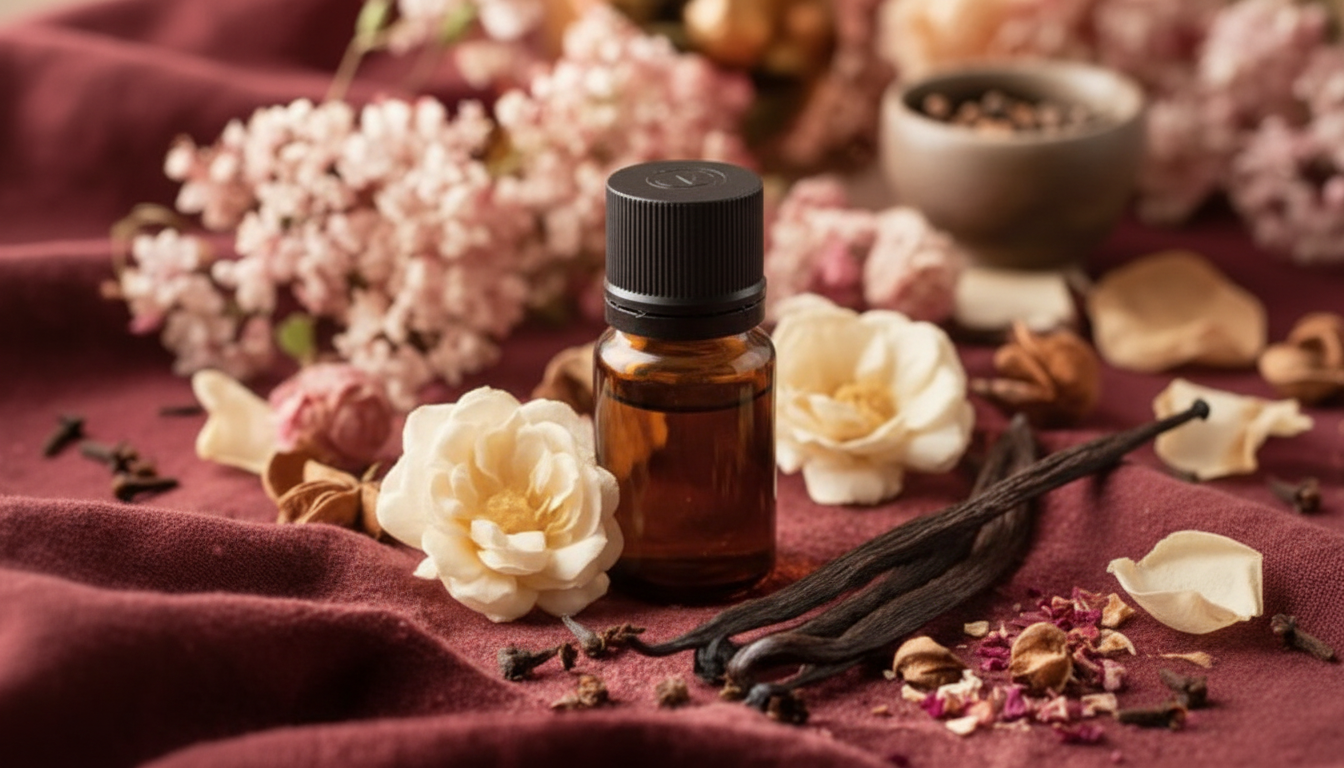
Aromatherapy Stress-Buster Checklist: A Simple Routine for Relaxation and Self-Care
Stress relief can feel more doable with a repeatable routine and a few reliable essential oils. Aromatherapy works best when it’s simple: one scent, one method, one short reset you can repeat without overthinking. Below is a practical, step-by-step approach you can use in two minutes, ten minutes, or as part of your bedtime wind-down—plus safety basics and a ready-to-print checklist idea that helps turn “I should relax” into “I know what to do next.”
For a printable routine you can keep in one spot, the Aromatherapy Stress-Buster Checklist (digital download + printable guide) is designed to make the process feel automatic—especially on busy or emotionally heavy days.
Why a Checklist Helps When Stress Feels Overwhelming
When you’re stressed, the hardest part is often getting started. A checklist takes the mental load off by converting “What should I do?” into a short sequence of tiny actions you can complete even when motivation is low.
- It reduces decision fatigue by giving you a clear order of operations: choose a scent, pick a method, breathe, reset.
- It supports consistency—small daily downshifts are often easier to sustain than occasional long self-care sessions.
- It pairs sensory cues (scent + routine) so your body starts to recognize “downshift time” faster.
- It flexes with your schedule: a 2-minute reset and a bedtime routine can use the same framework.
Before Starting: Set Up a Calm Corner in Under Five Minutes
A dedicated “calm corner” prevents the all-too-common pattern of buying essential oils and then forgetting where you put them. The goal is visibility and convenience, not a perfect aesthetic.
- Choose one spot: a nightstand, desk corner, bathroom counter, or a small tray in the living room.
- Keep essentials together: essential oil(s), carrier oil, diffuser or tissue/personal inhaler, and your printed checklist.
- Add one comfort cue: a warm drink, soft light, or a clean towel—something that signals “safe and settled.”
- Make it visible: resets are more likely to happen when supplies aren’t stored out of sight.
Essential Oils for Relaxation: Quick Guide to Common Options
Start with one or two oils you genuinely enjoy smelling. “Best” matters less than “I’ll actually use it.” These options are commonly chosen for relaxation routines:
- Lavender: often used for winding down and bedtime routines.
- Bergamot: frequently chosen for uplifting calm (avoid sun exposure on skin if using expressed bergamot).
- Roman chamomile: popular for gentle relaxation and evening routines.
- Frankincense: commonly used during slow breathing, meditation, or grounding practices.
- Ylang ylang: often used for tension release; the scent can feel strong—start with a small amount.
- Cedarwood: a warm, woodsy option often paired with sleep-focused routines.
Relaxation Oils at a Glance (Uses + Simple Methods)
| Essential oil | Best for | Fast method | Notes |
|---|---|---|---|
| Lavender | Bedtime, calming down | Diffuser or 1–2 drops diluted on wrists | Patch test first; start low if scent-sensitive |
| Bergamot | Mood reset, tension relief | Diffuser or aroma tissue | Phototoxic on skin for some types; avoid sun on applied areas |
| Roman chamomile | Gentle unwind | Diffuser or diluted roll-on | Often well-liked for evening routines |
| Frankincense | Grounding, slow breathing | Diffuser during 4-7-8 breathing | Pairs well with meditation |
| Cedarwood | Cozy, sleep support | Diffuser 30–60 minutes pre-bed | Blends well with lavender |
| Ylang ylang | Relaxation, easing tension | 1 drop in diffuser blend | Strong aroma; use sparingly |
The Stress-Buster Checklist Routine (Choose the Time You Have)
Pick one routine based on the time and energy you actually have today. The win is completion, not perfection.
2-minute reset (fast and discreet)
- Add 1–2 drops of oil to a tissue or personal inhaler and inhale gently.
- Take 5 slow breaths (aim for a longer exhale than inhale).
- Drop shoulders, unclench jaw, and soften hands.
- Take a sip of water to signal a physical “reset.”
10-minute reset (when you need a deeper downshift)
Bedtime wind-down (set up tomorrow’s nervous system)
On-the-go reset (work, car, travel)
When emotions spike
Safe Use Basics: Dilution, Diffusing, and Common Mistakes
For more detailed safety and usage considerations, review guidance from the National Center for Complementary and Integrative Health (NCCIH) on aromatherapy and the Mayo Clinic’s overview of aromatherapy and precautions.
Make It Stick: Simple Habit Anchors for Self-Care
If clutter in busy areas is part of what keeps your nervous system “on,” pairing scent with a simple home-flow reset can help. Clear Pathways: Mastering High-Traffic Spaces at Home is a practical companion for keeping the most-used zones (entryway, kitchen counters, living room routes) calmer and easier to maintain.
Printable Support: Use the Digital Checklist as a Daily Guide
To make the routine effortless to repeat, keep the Aromatherapy Stress-Buster Checklist (digital download + printable guide) within arm’s reach of your oils and diffuser—so the next reset is always one glance away.
FAQ
What is the easiest way to use essential oils for stress relief?
Use a diffuser for a short session (about 30–60 minutes) or add 1–2 drops to a tissue/personal inhaler for quick inhalation. Start with small amounts and pair the scent with a simple breathing pattern like five slow breaths with a longer exhale.
Can essential oils be applied directly to the skin?
Most essential oils should be diluted in a carrier oil before skin use (often around a 1% dilution), and a patch test helps check for sensitivity. Be extra cautious with citrus oils like bergamot, which may increase sun sensitivity depending on the type.
Which essential oils are best for relaxation at night?
Lavender, cedarwood, Roman chamomile, and frankincense are popular choices for bedtime routines. A simple approach is diffusing one oil (or a gentle blend) 30 minutes before sleep and keeping the last few minutes of your routine quiet and screen-free.













Leave a comment