-
Shop
- Advanced Technologies
- AI Career Advantage Collection
- AI Skills
- AI Skills for Creators & Freelancers
- AI Client Management
- AI Ethics
- AI Mindset
- AI Tools & Prompts
- AI Writing & Content Creation
- Audio, Voice & Music
- Design & Visual Creation
- Email, Messaging & Communication
- Freelancing & Business
- Marketing, Ads & Conversion
- Productivity, Workflow & Automation
- SEO & Search Optimization
- Social Media Content & Growth
- Strategy, Planning & Analytics
- Video Creation & Editing
- Bathroom
- Beauty
- Best-Sellers
- Car Accessories
- Car Buying & Ownership
- Confidence
- Dating & Social Skills
- Digital Resources
- AI & Technology
- Budgeting & Saving
- Cozy Feast Collection
- Electronics & Technology
- Emotional Intelligence
- Entrepreneurship & Business Growth
- Financial Education
- Financial Independence
- Financial Mindset & Psychology
- Goal Setting
- Hobbies
- Kitchen & Recipes
- Leadership
- Mindfulness
- Mindset
- Motivation
- Online Business
- Positive Thinking
- Productivity
- Self Confidence
- Sleep Improvement
- Smart Life with AI
- Stress Management & Relaxation
- Travel Planning
- Yoga & Fitness
- Yoga & Mind-Body Practices
- Education & Learning
- Family & Parenting
- Gadgets
- Health & Beauty
- Health & Wellness
- Home & Garden
- Home Styling & Organization
- Home Supplies
- Kids & Babies
- Legend Footwear Brands Collection
- Online Business for Beginners
- Parenting & Child Development
- Patio, Lawn & Garden
- Personal Growth
- Personal Style & Fashion
- Pet Care
- Pet Lifestyle & Wellness
- Pet Supplies
- Pets
- Smart Amazon Shopping
- Stress Relief & Relaxation
- TikTok Growth & Monetization Mastery
- Travel
- Travel & Adventure
- Wealth
- Wellness
- Popular
- Best deals
Belt Styling Checklist: Make Simple Outfits Look Luxe
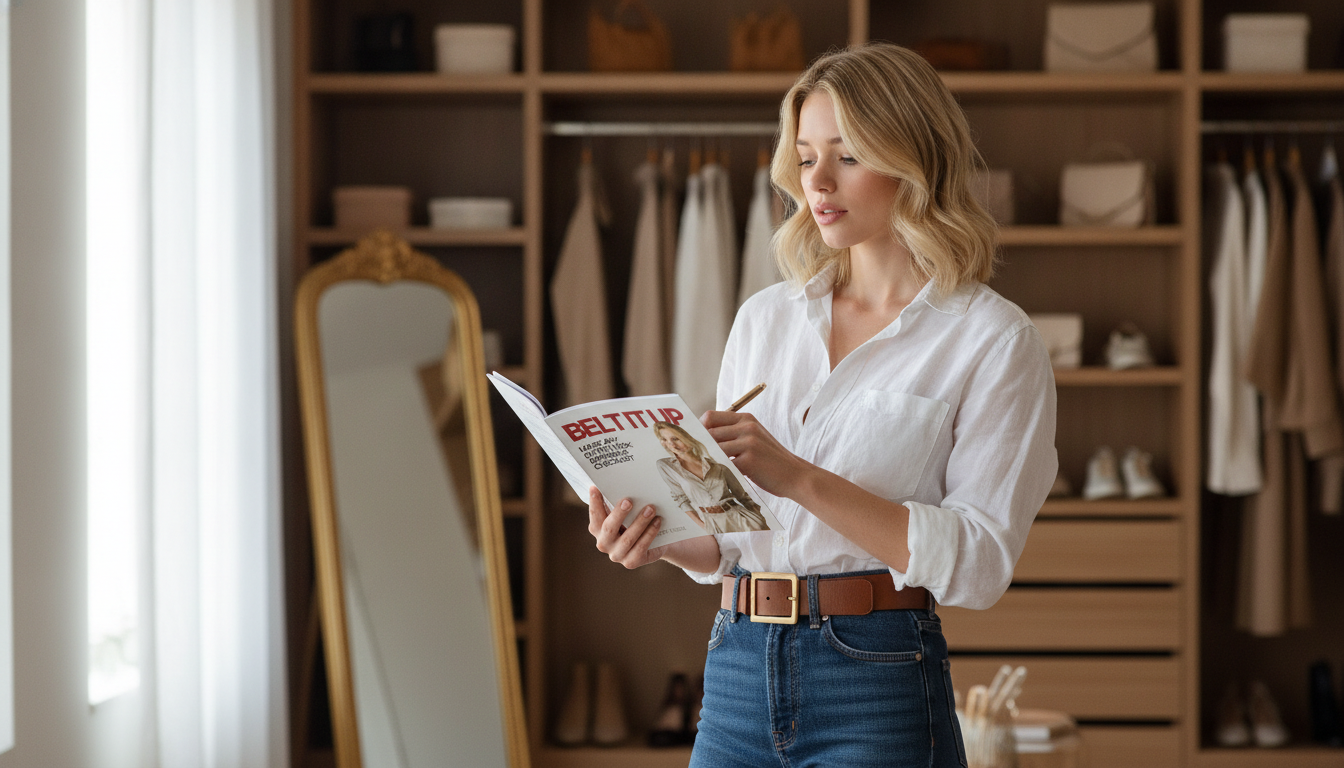
Belt It Up: The Checklist That Makes Everyday Outfits Look Expensive
A belt can do more than keep pants in place—it can create structure, sharpen proportions, and make simple pieces look intentional. Use the checklist below to choose the right belt, place it correctly, and coordinate it with shoes, bags, and jewelry so casual outfits read polished, elevated, and finished. For more guidance, see 11 Instant Style Tricks That Dress Up Any Outfit – AARP.
The fast “expensive” effect: structure, proportion, and a clean focal point
The quickest way to make everyday basics look higher-end is to add shape. A belt defines the narrowest part of the torso (natural waist, high waist, or slightly below), creating a clear silhouette instead of a fabric “column.” It also breaks up large blocks of color, which helps oversized shirts, sweater dresses, and wide-leg pants look intentional rather than sloppy. For further reading, see [PDF] W1241 The Economics of Clothing Purchases.
For a refined look, prioritize clean lines: smooth leather (or high-quality faux leather), minimal stitching, and understated hardware. Think of the belt as a deliberate styling choice—use it to create waist definition, lengthen legs, or sharpen tailoring instead of grabbing “whatever fits.” For runway-to-real-life inspiration on modern belt styling, browse editorial references like Vogue.
Quick belt placements and the effect they create
| Placement | Best for | Instant result |
|---|---|---|
| Natural waist (smallest point) | Dresses, long knits, oversized shirts | Hourglass shape and elevated silhouette |
| High waist (above navel) | High-rise trousers, wide-leg pants, skirts | Longer-looking legs and polished proportions |
| Hip (low-slung) | Straight jeans, relaxed trousers | Casual, modern line without squeezing the waist |
| Over a blazer/coat | Boxy outerwear, longline blazers | Instant tailoring effect and styled finish |
Belt quality checklist: what looks luxe at a glance
Even a simple outfit can look expensive when the accessories look well-made. Before buying—or before wearing—do a fast quality scan.
- Material: Smooth leather or structured faux leather with a matte or lightly glossy finish. Avoid peeling, plastic shine, or very thin straps that curl.
- Edges and stitching: Clean edge paint, even stitching, and no bubbling or warping near the holes.
- Buckle finish: Brushed gold, antique gold, silver, or gunmetal reads elevated. Skip patchy plating or overly reflective hardware.
- Width matters: Slim belts feel refined; medium widths look classic; very wide belts can skew trendy—choose based on the outfit’s vibe.
- Condition: A scuffed belt drags down the whole look. Rotate belts, store them flat or hung, and replace once the strap permanently bends.
Color matching that reads intentional (not “accidental”)
Belts look “expensive” when they look planned. The easiest strategy is cohesion—repeat a color or metal so the eye reads the outfit as coordinated.
- Use a two-anchor rule: Match the belt to either your shoes or your bag (or both) to make the look feel complete.
- Keep hardware consistent: If your buckle is gold, echo gold in earrings, a watch, or bag hardware for a tidy, elevated finish.
- Neutral shortcuts: Black, chocolate brown, cognac, and taupe cover most wardrobes. Deep espresso often looks richer than flat black with casual denim and knits.
- Monochrome trick: Keep the belt in the same color family as the outfit (camel belt on tan trousers) for a long, smooth line.
- High-contrast trick: A black belt on a light dress or cream trousers creates a crisp focal point—just keep the buckle minimal to stay polished.
If you like grounding your style choices in fashion history, accessory collections and exhibitions from institutions like The Metropolitan Museum of Art can be surprisingly useful for understanding timeless proportions and hardware finishes.
Outfit upgrades: simple formulas that always work
When you’re short on time, rely on a few repeatable formulas. They’re easy, flattering, and consistently look “finished.”
- T-shirt + jeans: Add a medium-width belt, tuck the tee fully (crisp) or do a neat half-tuck (relaxed). Match the belt to shoes for a pulled-together finish.
- Sweater + skirt: Belt at the waist over the sweater hem, or do a French tuck to avoid bulk while still defining shape.
- Blazer + trousers: Belt the trousers and keep the blazer open for a clean vertical line; or belt over the blazer for a fashion-forward tailored effect.
- Dress transformation: Add a slim belt to a simple dress to create structure; keep jewelry minimal and intentional.
- Coat upgrade: Belt a wool coat or trench and keep scarf tones aligned with belt/shoe color for a cohesive winter look.
Common belt mistakes that make outfits look cheaper (and easy fixes)
The 60-second “belt it up” checklist before heading out
Printable checklist guide for quick outfit upgrades
For a ready-to-use printable, see Belt It Up: Make Any Outfit Look Expensive Checklist – A Quick Guide to Elevate Your Style. And if you’re building outfits around casual plans, Coffee-Ready Cozy – What to Wear for Coffee Meetups Checklist | Effortless Café Outfit Planning Guide pairs perfectly with the belt checklist for fast, repeatable looks.
FAQ
What belt color goes with the most outfits?
Deep brown/espresso and black are the most versatile. Black pairs cleanly with black shoes and structured bags, while espresso often looks richer with denim, camel, cream, and many everyday neutrals.
Should a belt match shoes or a handbag?
Match the belt to your shoes or your bag to create cohesion, and treat that as your “anchor.” Exact color matches matter less than keeping hardware consistent (gold with gold, silver with silver) so the outfit looks intentional.
How do you belt a dress without adding bulk?
Choose a slim or medium belt, place it at the narrowest point, and smooth the fabric before fastening. Avoid oversized buckles and thick tie belts, and align the belt near a waist seam (or do a subtle tuck) to keep the silhouette clean.








Leave a comment