-
Shop
- Advanced Technologies
- AI Career Advantage Collection
- AI Skills
- AI Skills for Creators & Freelancers
- AI Client Management
- AI Ethics
- AI Mindset
- AI Tools & Prompts
- AI Writing & Content Creation
- Audio, Voice & Music
- Design & Visual Creation
- Email, Messaging & Communication
- Freelancing & Business
- Marketing, Ads & Conversion
- Productivity, Workflow & Automation
- SEO & Search Optimization
- Social Media Content & Growth
- Strategy, Planning & Analytics
- Video Creation & Editing
- Bathroom
- Beauty
- Best-Sellers
- Car Accessories
- Car Buying & Ownership
- Confidence
- Dating & Social Skills
- Digital Resources
- AI & Technology
- Budgeting & Saving
- Cozy Feast Collection
- Electronics & Technology
- Emotional Intelligence
- Entrepreneurship & Business Growth
- Financial Education
- Financial Independence
- Financial Mindset & Psychology
- Goal Setting
- Hobbies
- Kitchen & Recipes
- Leadership
- Mindfulness
- Mindset
- Motivation
- Online Business
- Positive Thinking
- Productivity
- Self Confidence
- Sleep Improvement
- Smart Life with AI
- Stress Management & Relaxation
- Travel Planning
- Yoga & Fitness
- Yoga & Mind-Body Practices
- Education & Learning
- Family & Parenting
- Gadgets
- Health & Beauty
- Health & Wellness
- Home & Garden
- Home Styling & Organization
- Home Supplies
- Kids & Babies
- Legend Footwear Brands Collection
- Online Business for Beginners
- Parenting & Child Development
- Patio, Lawn & Garden
- Personal Growth
- Personal Style & Fashion
- Pet Care
- Pet Lifestyle & Wellness
- Pet Supplies
- Pets
- Smart Amazon Shopping
- Stress Relief & Relaxation
- TikTok Growth & Monetization Mastery
- Travel
- Travel & Adventure
- Wealth
- Wellness
- Popular
- Best deals
Budgeting Like a Pro: Make a Plan That Works

A useful budget does more than record where your money went. It helps you decide what your money needs to do next. You don’t need a perfect spreadsheet or a perfect month to begin. You need a clear picture of your income, your obligations, and the priorities you want your money to support.
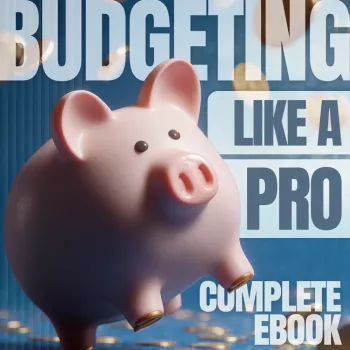
We’ve brought several popular approaches together in Budgeting Like a Pro: Complete eBook. The aim is to help you choose a method you can return to—not to make you follow every method at once.
Start with the numbers you have
Begin with your monthly take-home income: the money available after taxes and other paycheck deductions. Then list regular bills, required debt payments, and a recent view of everyday spending. Groceries, transportation, and utilities may change from month to month, so use realistic averages rather than unusually low estimates.
Next, account for expenses that don’t arrive every month. Annual renewals, gifts, school costs, and car maintenance can strain a budget if they have no place in it. Estimate what you spend on each over a year and divide by 12 to find a monthly amount to set aside. If you don’t know the exact figure yet, make a reasonable estimate and update it when you learn more.
Finally, choose one immediate priority. You might need to cover essentials consistently, build a small cash cushion, or put extra money toward debt. Naming that priority makes it easier to decide what to do when there’s money left after your bills. For a basic overview of gathering expenses and making a spending plan, see Consumer.gov’s guide to making a budget.
Choose a budgeting method that fits your routine
Three common methods offer different ways to make decisions. Zero-based budgeting asks you to assign every dollar of expected income a purpose, including spending, saving, and debt payments. When income minus those planned uses equals zero, the plan is complete. It does not mean you should empty your bank account.
50/30/20 gives you broad shares for needs, wants, and savings or debt goals. It can be a helpful starting framework, but the percentages shouldn’t override the bills you actually owe. Pay-yourself-first reverses the usual order: you set aside an affordable amount for a goal before deciding how to spend what remains. Start with an amount you can maintain, even if it feels small.
| Method | What you decide first | Useful when |
|---|---|---|
| Zero-based budgeting | A purpose for each dollar of expected income | You want a detailed monthly plan |
| 50/30/20 | Broad shares for needs, wants, and goals | You want a simple starting structure |
| Pay-yourself-first | An affordable amount for savings or another priority | You tend to spend money before setting it aside |
Pick one primary method for your next month. You can borrow a useful idea from another approach later, but trying to run three separate budgets at once can make a simple task harder to maintain. The Consumer Financial Protection Bureau’s budgeting resources can offer additional help as you put your plan into practice.
Make room for debt payoff and savings
Put required debt payments alongside your other essential obligations. If money remains after essentials, decide how much you can safely direct toward extra payments without putting bills or a basic emergency cushion at risk. A plan that works for several months is more useful than an aggressive target you can’t sustain.
You can choose a debt payoff order based on what keeps you moving. Paying extra toward the highest interest rate first targets borrowing costs. Paying extra toward the smallest balance first can give you visible progress sooner. In either case, keep making the required payments on your other debts and review your plan if your income or expenses change.
Give savings a name and a monthly amount, too. “Car maintenance” or “emergency cushion” is easier to plan around than a vague instruction to save whatever is left. Modest, regular contributions can help turn an irregular expense into one you’re prepared to handle. If the first amount you choose is too high, reduce it rather than dropping the goal altogether.
Put the plan to work each month
A budget becomes useful when you revisit it. Set aside a short weekly check-in to compare your planned amounts with what you’ve spent. If groceries cost more than expected, look for room in another flexible category. Moving money between categories is an adjustment, not a failure; it keeps the plan connected to real life.
At month’s end, note what worked and change one or two categories that didn’t. Perhaps a bill was higher than you estimated, or you found an extra amount you could comfortably save. Keep the changes manageable. Your goal is a repeatable routine, not a flawless first draft.
If you want a more structured way to connect your chosen method with debt payoff and savings priorities, explore our Budgeting Like a Pro: Complete eBook. And if setbacks make it difficult to restart, our Confident Again eBook offers a separate guide focused on rebuilding self-belief. Our team wants you to leave room for progress: choose a plan, review it, and adjust it as you go.
FAQ
Which budgeting method should a beginner try first?
Try 50/30/20 if you want a broad starting point, or zero-based budgeting if you prefer a detailed plan. The best choice is one you can review and maintain.
Can I save money while paying off debt?
Yes. Cover required payments first, then consider a manageable emergency savings contribution alongside any extra debt payments.
What if my income changes every month?
Build your initial plan around income you can reasonably count on and prioritize essentials and minimum payments. Give additional income a purpose when it arrives.
Recommended for you


A Pet-Friendly Cleaning Routine You Can Keep
Oct 26, 2026













Leave a comment