-
Shop
- Advanced Technologies
- AI Career Advantage Collection
- AI Skills
- AI Skills for Creators & Freelancers
- AI Client Management
- AI Ethics
- AI Mindset
- AI Tools & Prompts
- AI Writing & Content Creation
- Audio, Voice & Music
- Design & Visual Creation
- Email, Messaging & Communication
- Freelancing & Business
- Marketing, Ads & Conversion
- Productivity, Workflow & Automation
- SEO & Search Optimization
- Social Media Content & Growth
- Strategy, Planning & Analytics
- Video Creation & Editing
- Bathroom
- Beauty
- Best-Sellers
- Car Accessories
- Car Buying & Ownership
- Confidence
- Dating & Social Skills
- Digital Resources
- AI & Technology
- Budgeting & Saving
- Cozy Feast Collection
- Electronics & Technology
- Emotional Intelligence
- Entrepreneurship & Business Growth
- Financial Education
- Financial Independence
- Financial Mindset & Psychology
- Goal Setting
- Hobbies
- Kitchen & Recipes
- Leadership
- Mindfulness
- Mindset
- Motivation
- Online Business
- Positive Thinking
- Productivity
- Self Confidence
- Sleep Improvement
- Smart Life with AI
- Stress Management & Relaxation
- Travel Planning
- Yoga & Fitness
- Yoga & Mind-Body Practices
- Education & Learning
- Family & Parenting
- Gadgets
- Health & Beauty
- Health & Wellness
- Home & Garden
- Home Styling & Organization
- Home Supplies
- Kids & Babies
- Legend Footwear Brands Collection
- Online Business for Beginners
- Parenting & Child Development
- Patio, Lawn & Garden
- Personal Growth
- Personal Style & Fashion
- Pet Care
- Pet Lifestyle & Wellness
- Pet Supplies
- Pets
- Smart Amazon Shopping
- Stress Relief & Relaxation
- TikTok Growth & Monetization Mastery
- Travel
- Travel & Adventure
- Wealth
- Wellness
- Popular
- Best deals
Dress Silhouettes: Modern Shapes, Fit & Styling Tips
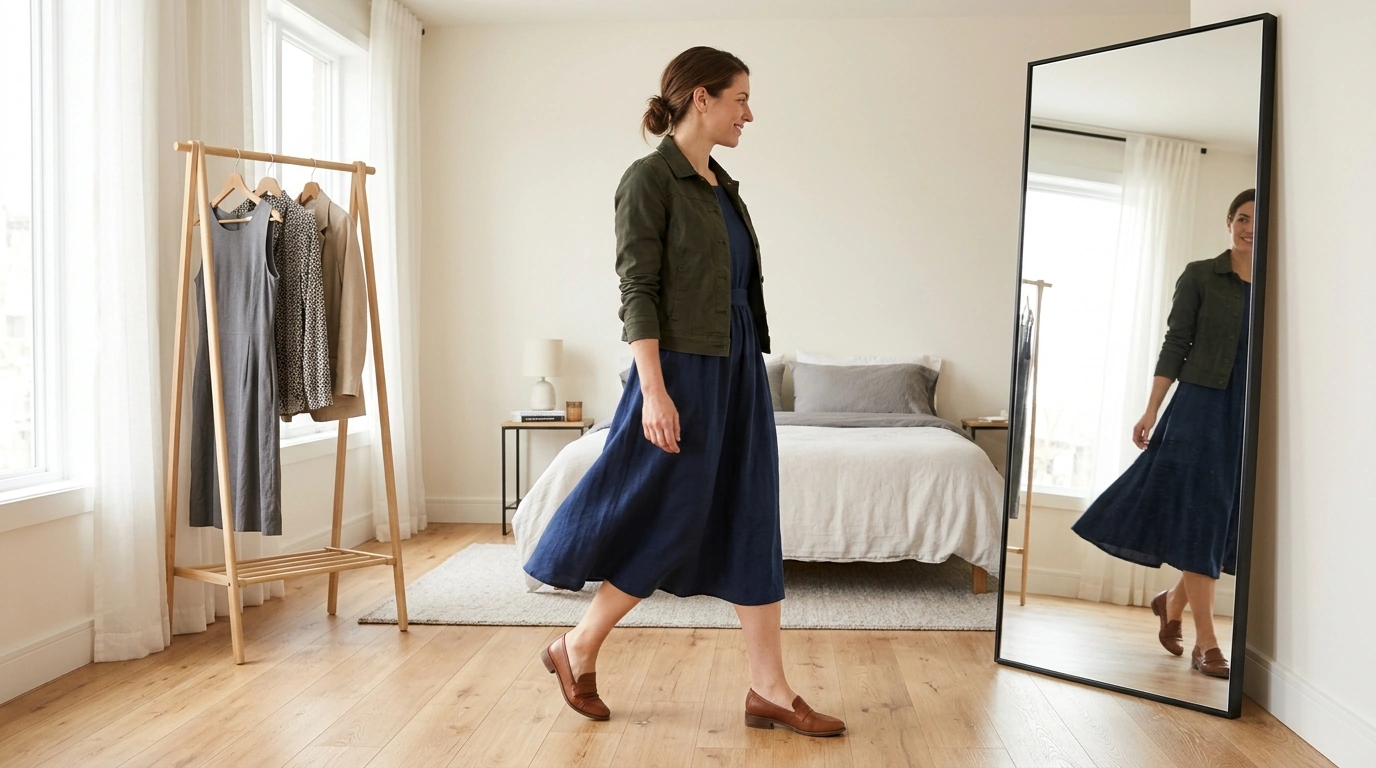
A dress silhouette is the overall shape a dress creates from shoulder to hem. When you’re deciding what to wear, that shape is often more useful to consider first than a print or neckline. The right starting point is a dress that lets you move comfortably and suits your day; fabric, layers, and accessories can then make it feel distinctly yours.
The dress silhouettes shaping modern wardrobes
Column dresses follow a relatively straight line, while slip dresses skim the body with a softer drape. A-line dresses widen toward the hem; fit-and-flare styles pair a defined upper portion with a fuller skirt. Shirt dresses borrow details from a button-front shirt, and relaxed maxis offer an easy fit with a longer hem. None is universally flattering or right for every occasion. The better question is which shape gives you the look and freedom of movement you want.
A familiar dress can also feel current without being replaced. Try a different shoe, change the length of your outer layer, or add a belt. If you’re drawn to a look you’ve seen, identify what you actually want to change: the silhouette, or a detail such as the sleeve, neckline, print, or hem length. For broader fashion inspiration, you can browse Vogue’s fashion trends; for context on how dress shapes have evolved, explore the Fashion History Timeline.
Find the shape that suits your day
Use this comparison as a starting point, not a set of body-type rules. A dress has to work while you sit, walk, reach, and add a layer—not only while you stand in front of a mirror.
| Silhouette | Defining shape | Styling starting point | Fit check |
|---|---|---|---|
| Column | A relatively straight line from shoulder to hem | Add a structured jacket or contrasting shoe | Allow room for a natural stride |
| Slip | A fluid shape that skims | Layer with a shirt or knit for coverage | Watch for pulling across the hips |
| A-line | Narrower at the top, widening toward the hem | Try a shorter layer that leaves the shape visible | Notice where the waist shaping sits |
| Fit-and-flare | A defined upper portion and fuller skirt | Keep accessories simple when the skirt has volume | Move comfortably through the bodice and waist |
| Shirt dress | Shirt-inspired details on a dress-length body | Adjust the belt or leave the waist relaxed | Look for gaping at the buttons when you move |
| Relaxed maxi | An easy fit and longer hem | Contrast it with a deliberate shoe or bag shape | Check hem clearance and walking ease |
Use proportion to make a dress feel like yours
Small changes can have a noticeable effect. First, try defining the waist with a belt if you want more shape. Second, put a shorter jacket over a full skirt so the skirt’s volume remains visible. Third, give a streamlined column or slip dress some contrast with a more substantial shoe. These are options to test, not rules you need to follow.
Hem placement and layer length matter, too. A jacket ending near the waist gives a different impression from one ending below the hips, even over the same dress. Try one adjustment at a time in a full-length mirror, then walk and sit in the outfit. Keep the combination that feels intentional and comfortable in motion.
Fit comes before a trend
Look at fit in relation to the shape the dress is meant to make. Shoulders should sit as intended, with enough ease through the bust or chest to move without strain. Check whether waist shaping lands comfortably, whether the hips allow your usual stride, and whether the hem works with the shoes you plan to wear. On a button-front dress, reach and sit to see whether the placket opens.
Fabric changes the result: a structured textile holds its outline, while a soft one may drape closer to the body or shift as you move. Choose the size that lets you move comfortably rather than relying on the size label. If a dress works well almost everywhere, a simple alteration—such as adjusting the hem—may be worth considering.
Make AI styling suggestions more useful
When you ask an AI styling tool for ideas, include the silhouette, occasion, climate, comfort preferences, and pieces you already own. For example: “Suggest three ways to style a relaxed maxi dress for a warm-weather dinner using flat shoes and a light layer.” A specific request is more likely to give you combinations you can actually try.
Build a small silhouette wardrobe
You don’t need every shape. Begin with one dependable everyday silhouette and one that serves a different occasion or mood. If a shirt dress handles your regular schedule, for instance, a slip or fit-and-flare dress might give you a contrasting option. Our Current Fashion Dress Silhouettes style guide offers a dedicated reference for modern fit and styling ideas.
Style also has a personal side: you may want an outfit that feels especially easy to wear on a day when confidence takes more effort. Our Confident Again eBook is a separate resource for rebuilding self-belief, rather than a guide to dress fit. Start with a shape you enjoy, try one fresh proportion, and keep what works in your life.
FAQ
Which dress silhouette is most versatile?
Versatility depends on your lifestyle, but a simple A-line, column, or shirt dress can often move between occasions with a change of layers, shoes, and accessories.
How do I tell whether a dress silhouette fits properly?
Check that its intended lines sit comfortably and that you can sit, walk, and raise your arms without pulling or gaping.
Can AI tell me which dress shape to wear?
AI can suggest combinations based on your preferences and occasion, but a try-on and your own comfort are the final test.
Recommended for you
Newborn Soothing: Gentle Days and Calmer Nights
Oct 23, 2026










Leave a comment