-
Shop
- Advanced Technologies
- AI Career Advantage Collection
- AI Skills
- AI Skills for Creators & Freelancers
- AI Client Management
- AI Ethics
- AI Mindset
- AI Tools & Prompts
- AI Writing & Content Creation
- Audio, Voice & Music
- Design & Visual Creation
- Email, Messaging & Communication
- Freelancing & Business
- Marketing, Ads & Conversion
- Productivity, Workflow & Automation
- SEO & Search Optimization
- Social Media Content & Growth
- Strategy, Planning & Analytics
- Video Creation & Editing
- Bathroom
- Beauty
- Best-Sellers
- Car Accessories
- Car Buying & Ownership
- Confidence
- Dating & Social Skills
- Digital Resources
- AI & Technology
- Budgeting & Saving
- Cozy Feast Collection
- Electronics & Technology
- Emotional Intelligence
- Entrepreneurship & Business Growth
- Financial Education
- Financial Independence
- Financial Mindset & Psychology
- Goal Setting
- Hobbies
- Kitchen & Recipes
- Leadership
- Mindfulness
- Mindset
- Motivation
- Online Business
- Positive Thinking
- Productivity
- Self Confidence
- Sleep Improvement
- Smart Life with AI
- Stress Management & Relaxation
- Travel Planning
- Yoga & Fitness
- Yoga & Mind-Body Practices
- Education & Learning
- Family & Parenting
- Gadgets
- Health & Beauty
- Health & Wellness
- Home & Garden
- Home Styling & Organization
- Home Supplies
- Kids & Babies
- Legend Footwear Brands Collection
- Online Business for Beginners
- Parenting & Child Development
- Patio, Lawn & Garden
- Personal Growth
- Personal Style & Fashion
- Pet Care
- Pet Lifestyle & Wellness
- Pet Supplies
- Pets
- Smart Amazon Shopping
- Stress Relief & Relaxation
- TikTok Growth & Monetization Mastery
- Travel
- Travel & Adventure
- Wealth
- Wellness
- Popular
- Best deals
Pet Adoption Checklist: Ask These Questions First
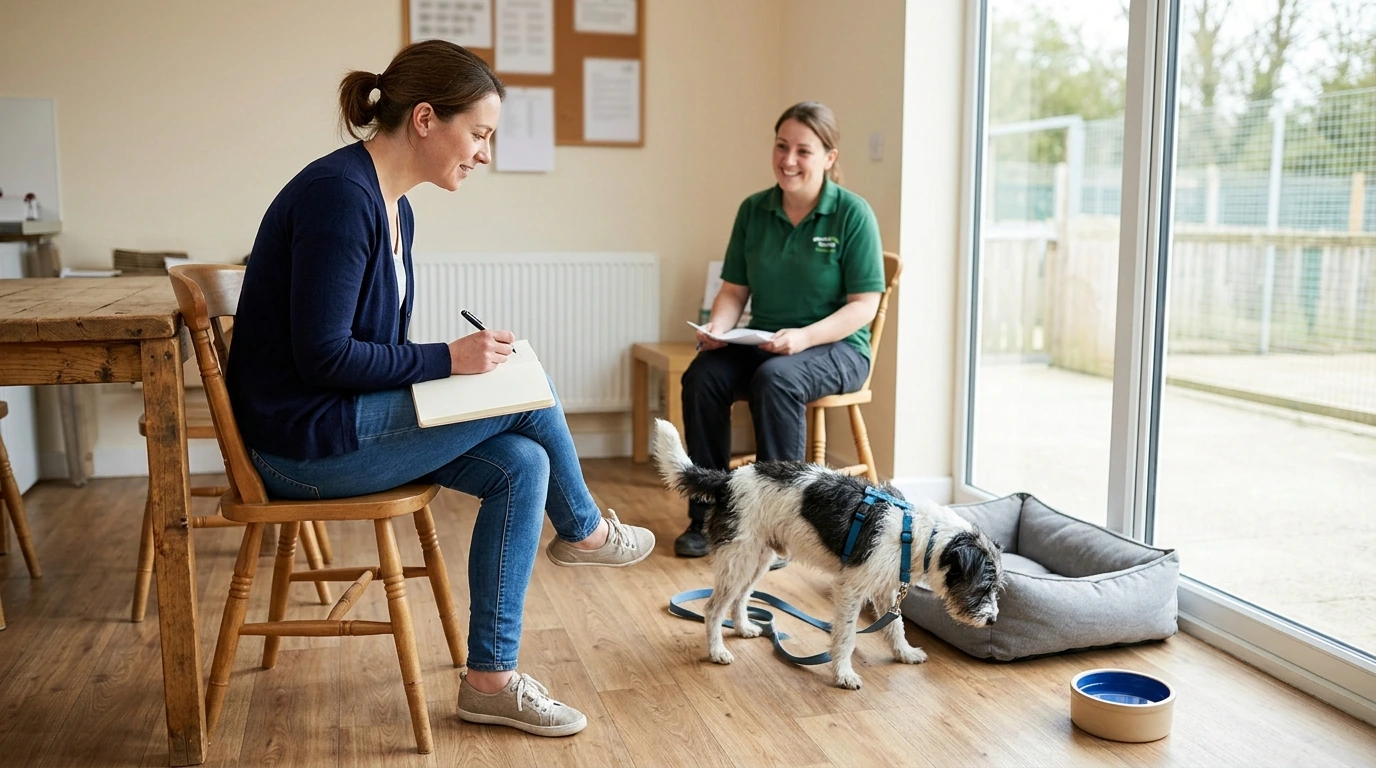
The “Paws, Pause & Think” Checklist: Questions That Make Pet Adoption Feel Clear, Not Rushed
A new pet changes the pace of a home—daily routines, budgets, travel plans, even how quiet a room feels. Our “Paws, Pause & Think” Checklist is designed to slow the moment down just enough to ask the questions that protect everyone involved: the pet, your household, and the future version of daily life. Use it before meeting pets, during shelter conversations, and again right before signing paperwork—so the decision is warm-hearted and well-planned.
Start with the non-negotiables: lifestyle, time, and energy
The fastest way to adopt with confidence is to get specific about what your days actually look like. The goal isn’t to “make it work” through sheer willpower—it’s to choose a pet whose needs match your real schedule.
- Daily rhythm: Identify realistic time blocks for feeding, walks/litter, play, training, and companionship on weekdays and weekends.
- Energy match: Choose a pet whose exercise and enrichment needs fit the household’s true pace—not the idealized version.
- Noise and disruption tolerance: Consider barking, vocal cats, nighttime activity, and how much change your home can comfortably absorb.
- Work and commute reality: Plan for midday breaks, dog walkers/daycare, or enrichment setups if hours away from home are long.
- Travel frequency: Decide who provides care when traveling, what backup plan exists, and whether boarding feels compatible with the pet type.
If you want a structured way to capture your answers (and bring them with you), our team built a ready-to-use download: The “Paws, Pause & Think” Checklist – What Questions to Ask Before Adopting a Pet.
The home setup check: space, safety, and boundaries
Space isn’t just square footage—it’s whether your home can support calm, predictable “zones.” A pet that can’t settle has a much harder time learning, bonding, and adapting.
- Space in zones: Plan sleep, potty/litter, feeding, play, decompression, and “quiet” areas.
- Safety sweep: Note cords, toxins (plants/cleaners), open stairways, balcony gaps, small chewables, and escape points by doors/windows.
- Pet-proofing level: Decide how much rearranging is acceptable (furniture, rugs, breakables, storage, baby gates).
- Rental rules and building policies: Confirm pet limits, breed/size restrictions, deposits, and required documentation before committing.
- Household dynamics: Decide boundaries for bedrooms, furniture access, and where the pet is allowed during meals or guest visits.
Home Readiness Quick-Check
| Area | What to confirm | Notes to decide before adoption |
|---|---|---|
| Entry points | Door dashing risk, secure locks, window screens | Leash/harness station location; baby gate needs |
| Toxic/unsafe items | Plants, cleaners, medications, small objects | Storage plan; pet-safe alternatives |
| Rest zones | Quiet sleeping space away from heavy traffic | Crate/bed placement; household quiet hours |
| Potty/litter plan | Outdoor access or litter box location/quantity | Rainy-day routine; cleaning supplies |
| Alone-time setup | Safe confinement or pet-proofed room | Enrichment rotation; camera/check-in plan |
Money questions that prevent heartbreak later
“We’ll figure it out” feels loving in the moment, but it can become stressful when real costs arrive. A plan keeps care steady even when life gets expensive.
For baseline guidance on preparing for a new pet (including care expectations and planning considerations), you can also reference AVMA’s “Getting a New Pet” and the ASPCA Pet Care resources.
Health, behavior, and history: what to ask the shelter or rescue
If you want a third perspective on pet-owner education and ongoing care standards, AAHA’s pet owner resources are a solid reference point.
The commitment map: who does what when life gets busy
A calm decision tool: the “green / yellow / red” readiness scorecard
Adoption Readiness Scorecard
| Question to answer | Green (ready) | Yellow (needs a plan) | Red (pause) |
|---|---|---|---|
| Daily time for care and companionship is realistic | Consistent schedule; backup support | Some gaps; solutions identified | Frequent long absences; no backup |
| Budget covers routine + emergencies | Insurance or emergency fund set | Budget tight; timeline to build buffer | No room for routine care |
| Home rules and safety are defined | Pet-proofed; boundaries agreed | Some areas unfinished | Major hazards/unresolved conflicts |
| Household agreement is clear | Everyone aligned on roles and costs | Some uncertainties to resolve | Disagreement on adoption |
| Support plan for travel/illness exists | Named caregivers booked/available | Options researched; not finalized | No care options available |
Use the checklist in three moments (so it actually helps)
Helpful downloads from our team
- The “Paws, Pause & Think” Checklist – What Questions to Ask Before Adopting a Pet | Smart Pet Adoption Planning Checklist
- Confident Again: Your Step-by-Step Guide to Rebuilding Self-Belief – eBook for How to Rebuild Your Confidence (useful if decision anxiety or self-doubt is making you rush)
- Styling High-End Living Room | eBook Guide on How to Style a High-End Living Room (helpful when you’re reorganizing zones for a pet and want your home to still feel like you)
FAQ
What questions should be asked before adopting a pet?
Cover lifestyle time/energy, home safety and boundaries, full-cost budgeting (routine and emergency), compatibility with kids/other pets, medical/behavior history from the shelter, and a backup care plan for travel or illness.
How do shelter questions differ from questions to ask at home first?
At home, define schedule, budget, rules, and responsibilities. At the shelter, confirm health records, behavior observations, social compatibility, current routines, and what post-adoption support or return policy exists.
What if the checklist reveals a “red” area?
Treat it as a pause point—solve the barrier (like building a budget buffer, getting landlord approval, or naming a backup caregiver) or choose a pet whose needs match what you can provide right now.
















Leave a comment