-
Shop
- Advanced Technologies
- AI Career Advantage Collection
- AI Skills
- AI Skills for Creators & Freelancers
- AI Client Management
- AI Ethics
- AI Mindset
- AI Tools & Prompts
- AI Writing & Content Creation
- Audio, Voice & Music
- Design & Visual Creation
- Email, Messaging & Communication
- Freelancing & Business
- Marketing, Ads & Conversion
- Productivity, Workflow & Automation
- SEO & Search Optimization
- Social Media Content & Growth
- Strategy, Planning & Analytics
- Video Creation & Editing
- Bathroom
- Beauty
- Best-Sellers
- Car Accessories
- Car Buying & Ownership
- Confidence
- Dating & Social Skills
- Digital Resources
- AI & Technology
- Budgeting & Saving
- Cozy Feast Collection
- Electronics & Technology
- Emotional Intelligence
- Entrepreneurship & Business Growth
- Financial Education
- Financial Independence
- Financial Mindset & Psychology
- Goal Setting
- Hobbies
- Kitchen & Recipes
- Leadership
- Mindfulness
- Mindset
- Motivation
- Online Business
- Positive Thinking
- Productivity
- Self Confidence
- Sleep Improvement
- Smart Life with AI
- Stress Management & Relaxation
- Travel Planning
- Yoga & Fitness
- Yoga & Mind-Body Practices
- Education & Learning
- Family & Parenting
- Gadgets
- Health & Beauty
- Health & Wellness
- Home & Garden
- Home Styling & Organization
- Home Supplies
- Kids & Babies
- Legend Footwear Brands Collection
- Online Business for Beginners
- Parenting & Child Development
- Patio, Lawn & Garden
- Personal Growth
- Personal Style & Fashion
- Pet Care
- Pet Lifestyle & Wellness
- Pet Supplies
- Pets
- Smart Amazon Shopping
- Stress Relief & Relaxation
- TikTok Growth & Monetization Mastery
- Travel
- Travel & Adventure
- Wealth
- Wellness
- Popular
- Best deals
Toddler Screen Time: Simple Rules, Smooth Transitions
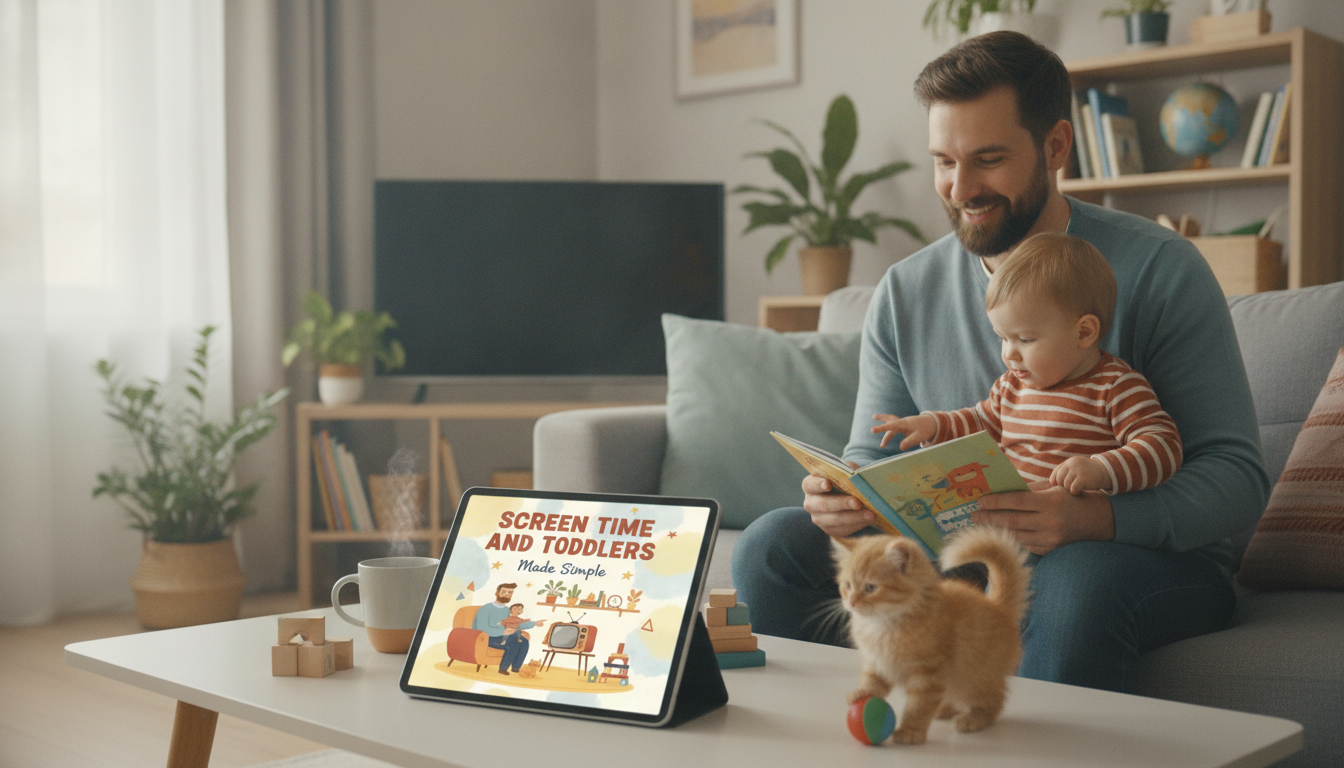
Screen Time and Toddlers Made Simple: Healthy Habits, Clear Rules, and Positive Alternatives
Screens can be helpful tools and major stressors at the same time—especially with toddlers who thrive on routine, connection, and movement. A simple plan makes it easier to set limits without constant battles: align expectations with development, choose a few consistent rules, and build appealing non-screen options that actually work in real life.
Why Screen Habits Feel So Hard With Toddlers
Toddlers are built for the “right now.” Fast-paced shows, autoplay, and bright rewards can make stopping feel like losing something big—so transitions get tougher. Add big feelings and still-growing language skills, and “time’s up” can flip into a meltdown in seconds.
Screens also tend to appear during predictable stress points: the morning rush, dinner prep, long errands, or the end-of-day slump. None of that means screen time is “bad.” It means the habit is doing a job—often calming, distracting, or buying a few minutes. The goal isn’t perfection; it’s fewer daily conflicts and calmer routines through consistency.
What Healthy Screen Time Looks Like at This Age
For toddlers, “healthy” is less about finding the perfect number and more about quality, timing, and support. Pediatric guidance commonly emphasizes caregiver interaction and age-appropriate content over solo, unlimited viewing (see the American Academy of Pediatrics: Media and Young Minds).
- Prioritize interaction: Co-view when possible and talk about what’s happening (“She’s sad,” “That’s a big truck,” “He’s sharing”).
- Choose calmer pacing: Slower, predictable shows are typically easier to transition away from than rapid cuts and high stimulation.
- Use screens with a purpose: A short educational episode, a video call with family, or a brief calm-down routine works better than screens as the only soothing strategy.
- Protect sleep: Keep screens out of bedrooms and away from bedtime routines. Many families do best with a consistent “screens end before bed” buffer.
Simple screen-time boundaries by situation
| Situation | A clear boundary | Why it helps | A realistic alternative |
|---|---|---|---|
| Morning routine | No screens until dressed and breakfast is finished | Reduces delays and power struggles | Music playlist + a 5-minute “pick your outfit” game |
| Meals | Screens off at the table | Supports hunger/fullness cues and family connection | Conversation cards, toddler “job” (napkin helper) |
| Before nap/bed | Screens end 60 minutes before sleep | Supports winding down and better sleep quality | Bath, books, dim lights, simple lullabies |
| Public outings | Screens only as a last resort and for a set timer | Prevents screens from becoming the default coping tool | Snack + sticker book + “I spy” game |
Set 3–5 House Rules That Stay the Same
The fastest way to reduce screen battles is to remove the daily negotiation. Pick a few non-negotiables that cover most situations and repeat them the same way every time.
- Keep rules short: No screens during meals. No screens in bedrooms. Timer always. Adult chooses content. One warning, then off.
- Phrase them positively: “Screens are for after lunch” lands better than “Stop asking.”
- Make them visible: A note on the fridge helps adults stay consistent and gives toddlers a cue they can learn.
- Align caregivers: When rules change by adult, toddlers push harder because the pattern is unpredictable.
Transitions Without Tears: Scripts That Reduce Battles
Most screen conflict isn’t about the show—it’s about the stop. A predictable routine helps toddlers trust what comes next.
Positive Alternatives That Toddlers Actually Choose
Many of these alternatives also support age-typical development—movement, communication, and social play—skills highlighted in common milestone checklists (see CDC: Important Milestones (2 Years)).
A Simple Weekly Plan (So Screens Don’t Take Over)
Also consider total daily movement and rest. The World Health Organization’s guidelines emphasize the balance of physical activity, sedentary time, and sleep for young children—an easy reminder that screens work best when they don’t crowd out play and rest.
Example weekly screen plan (customize to your child)
| Day | When screens happen | Limit | What happens next |
|---|---|---|---|
| Mon–Thu | After nap | 15–30 minutes with timer | Snack + outside or sensory bin |
| Fri | After dinner cleanup | One short episode | Bath + books |
| Sat | Family window | Movie split into two parts if needed | Walk, park, or playdate |
| Sun | Optional (as needed) | Short video call with family or none | Meal prep “helper” job + music |
When to Reconsider: Signs Screen Time Needs a Reset
A Practical Digital Guide for Building Calm Screen Habits
- Screen Time and Toddlers Made Simple (digital download) turns common screen-time stress points into a workable routine with clear rules, boundaries, and ready-to-use alternatives.
- Clear Pathways: Mastering High-Traffic Spaces at Home supports smoother routines by keeping key areas usable—helpful when you’re setting up movement breaks, “yes shelf” toys, or quick activity stations.
- Speak Up, Shine Bright: Unlocking Confident Communication can be a helpful add-on for adults who want calmer, clearer communication under pressure—useful when you’re practicing firm, non-escalating boundary scripts.
FAQ
How much screen time is appropriate for toddlers?
A routine-based range tends to work best: brief, predictable windows with a timer, calm content, and caregiver interaction when possible. Quality and consistency usually matter more than chasing a perfect number.
What should be done when a toddler has a meltdown after screens end?
Use a simple loop: set a timer, give a short countdown, name the feeling while holding the boundary, and start the next activity immediately. If meltdowns are intense, shorten sessions temporarily and practice the same transition every time.
Are educational apps and videos better than cartoons?
Labels matter less than pacing, content quality, and adult involvement. Slower, age-appropriate programs with co-viewing and real-world follow-up (talking, acting it out, reading about it) tend to support toddlers better than highly stimulating content.
Recommended for you


Modern Trench Coat Outfits: Easy, Updated Formulas
Jun 26, 2026













Leave a comment