-
Shop
- Advanced Technologies
- AI Career Advantage Collection
- AI Skills
- AI Skills for Creators & Freelancers
- AI Client Management
- AI Ethics
- AI Mindset
- AI Tools & Prompts
- AI Writing & Content Creation
- Audio, Voice & Music
- Design & Visual Creation
- Email, Messaging & Communication
- Freelancing & Business
- Marketing, Ads & Conversion
- Productivity, Workflow & Automation
- SEO & Search Optimization
- Social Media Content & Growth
- Strategy, Planning & Analytics
- Video Creation & Editing
- Bathroom
- Beauty
- Best-Sellers
- Car Accessories
- Car Buying & Ownership
- Confidence
- Dating & Social Skills
- Digital Resources
- AI & Technology
- Budgeting & Saving
- Cozy Feast Collection
- Electronics & Technology
- Emotional Intelligence
- Entrepreneurship & Business Growth
- Financial Education
- Financial Independence
- Financial Mindset & Psychology
- Goal Setting
- Hobbies
- Kitchen & Recipes
- Leadership
- Mindfulness
- Mindset
- Motivation
- Online Business
- Positive Thinking
- Productivity
- Self Confidence
- Sleep Improvement
- Smart Life with AI
- Stress Management & Relaxation
- Travel Planning
- Yoga & Fitness
- Yoga & Mind-Body Practices
- Education & Learning
- Family & Parenting
- Gadgets
- Health & Beauty
- Health & Wellness
- Home & Garden
- Home Styling & Organization
- Home Supplies
- Kids & Babies
- Legend Footwear Brands Collection
- Online Business for Beginners
- Parenting & Child Development
- Patio, Lawn & Garden
- Personal Growth
- Personal Style & Fashion
- Pet Care
- Pet Lifestyle & Wellness
- Pet Supplies
- Pets
- Smart Amazon Shopping
- Stress Relief & Relaxation
- TikTok Growth & Monetization Mastery
- Travel
- Travel & Adventure
- Wealth
- Wellness
- Popular
- Best deals
Is Puma a Low-End Brand? Quality, Value & Best Picks
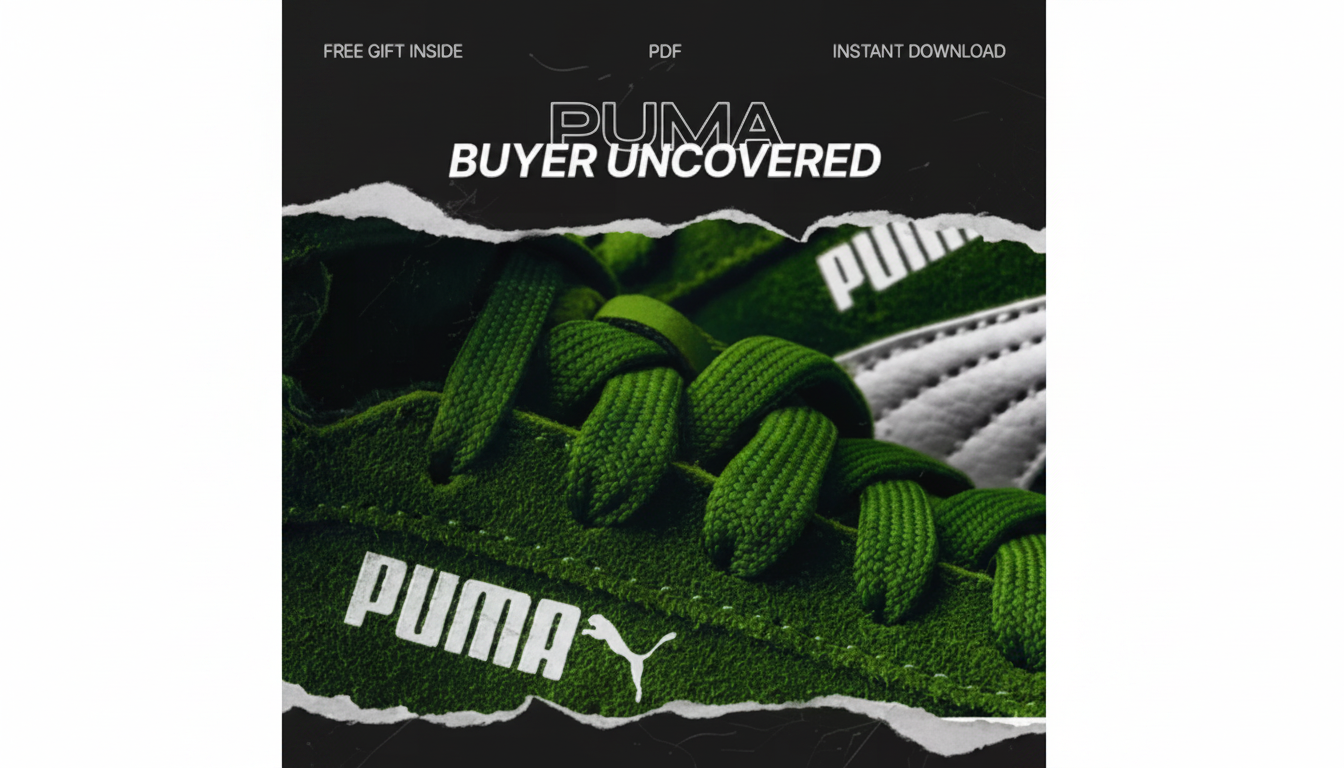
Is Puma a low-end brand?
Puma isn’t a low-end brand. Our team sees Puma as a mainstream athletic and lifestyle label that sits in the mid-range: accessible pricing in many collections, with performance-focused models and premium collaborations that can compete well above “budget” territory.
What “low-end” usually means in footwear
When people call a brand low-end, they’re often pointing to inconsistent materials, basic cushioning, minimal durability, and limited sport-specific engineering. Puma’s catalog doesn’t fit that description across the board. You’ll find entry-level options, but you’ll also find well-built pairs designed for training, running, and all-day wear.
Where Puma fits in the market
Puma generally lands between budget brands and top-tier, tech-forward lines. You can shop Puma as a value play without sacrificing style, and you can also choose more technical models when you want better foam, traction, and support. If you’re deciding based on quality rather than logo, the specific model matters more than the brand name.
How to choose a Puma shoe that doesn’t feel “cheap”
Start with your use case. For walking or everyday wear, look for a sturdier upper and a thicker, more structured midsole that won’t pack down quickly. For training, prioritize a stable base and grippy outsole so lateral movement feels secure. For running, choose models that advertise responsive cushioning and a durable outsole if you’ll log regular miles.
When Puma is a smart buy
Puma is a strong option if you want recognizable design, solid comfort, and dependable construction at prices that often undercut premium competitors. To get the best experience, match the shoe to your activity, and don’t assume the lowest-priced pair represents the whole brand.
If you want a deeper breakdown of who Puma is best for and how to pick the right pair, read our guide here: Puma buyer guide.
FAQ
Are Puma shoes good for walking all day?
Yes—many Puma lifestyle and comfort-focused models work well for all-day walking when you choose a pair with supportive cushioning and a stable sole. If you’ll be on your feet for hours, avoid ultra-thin soles and pick a more structured midsole.
Recommended for you

Best New Balance Model: Why the 990v6 Leads
Oct 7, 2026













Leave a comment