-
Shop
- Advanced Technologies
- AI Career Advantage Collection
- AI Skills
- AI Skills for Creators & Freelancers
- AI Client Management
- AI Ethics
- AI Mindset
- AI Tools & Prompts
- AI Writing & Content Creation
- Audio, Voice & Music
- Design & Visual Creation
- Email, Messaging & Communication
- Freelancing & Business
- Marketing, Ads & Conversion
- Productivity, Workflow & Automation
- SEO & Search Optimization
- Social Media Content & Growth
- Strategy, Planning & Analytics
- Video Creation & Editing
- Bathroom
- Beauty
- Best-Sellers
- Car Accessories
- Car Buying & Ownership
- Confidence
- Dating & Social Skills
- Digital Resources
- AI & Technology
- Budgeting & Saving
- Cozy Feast Collection
- Electronics & Technology
- Emotional Intelligence
- Entrepreneurship & Business Growth
- Financial Education
- Financial Independence
- Financial Mindset & Psychology
- Goal Setting
- Hobbies
- Kitchen & Recipes
- Leadership
- Mindfulness
- Mindset
- Motivation
- Online Business
- Positive Thinking
- Productivity
- Self Confidence
- Sleep Improvement
- Smart Life with AI
- Stress Management & Relaxation
- Travel Planning
- Yoga & Fitness
- Yoga & Mind-Body Practices
- Education & Learning
- Family & Parenting
- Gadgets
- Health & Beauty
- Health & Wellness
- Home & Garden
- Home Styling & Organization
- Home Supplies
- Kids & Babies
- Legend Footwear Brands Collection
- Online Business for Beginners
- Parenting & Child Development
- Patio, Lawn & Garden
- Personal Growth
- Personal Style & Fashion
- Pet Care
- Pet Lifestyle & Wellness
- Pet Supplies
- Pets
- Smart Amazon Shopping
- Stress Relief & Relaxation
- TikTok Growth & Monetization Mastery
- Travel
- Travel & Adventure
- Wealth
- Wellness
- Popular
- Best deals
Beauty Sleep Decoded: Sleep, Skin Repair & Nighttime Care
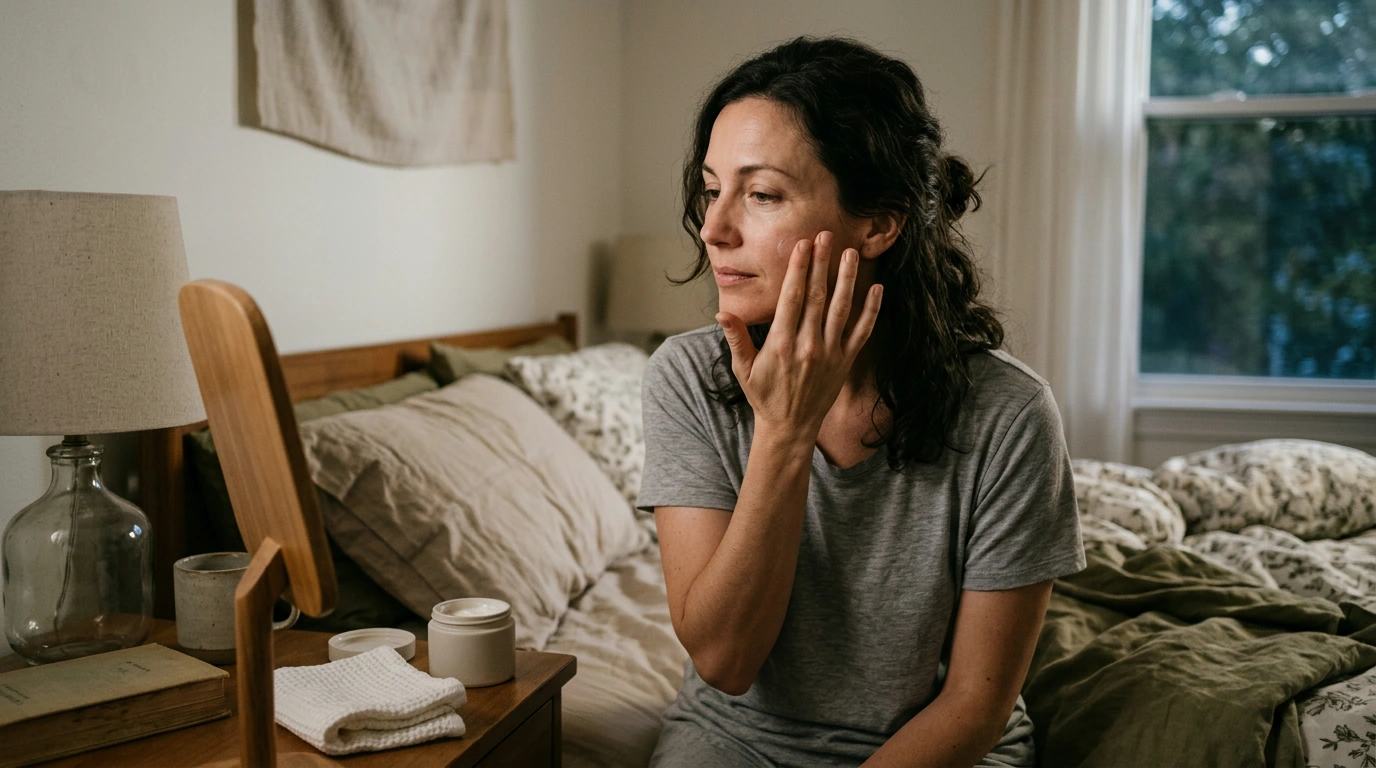
A good night’s sleep can help you feel more rested, and it gives your body time for the recovery processes that support healthy skin. But “beauty sleep” isn’t an overnight transformation. A calmer approach pairs realistic sleep habits with skin care that leaves you comfortable, not overwhelmed. We created Beauty Sleep Decoded for anyone who wants to understand the connection and build an evening routine worth keeping.
What happens to skin while you sleep?
Your skin renews itself continuously. Sleep does not flip skin repair on like a switch; it supports the broader processes your body relies on to recover. That distinction matters because one late night will not undo a good routine, and one early bedtime cannot erase every skin concern.
Sleep quality may still show up in how your skin looks and feels. In a study published in Clinical and Experimental Dermatology, poor sleep quality was associated with signs of skin aging and reduced skin-barrier recovery. The findings support taking sleep seriously, but they do not promise that sleeping longer will reverse aging. If your complexion looks tired after a difficult week, consider sleep alongside other influences, including stress, sun exposure, and the products you use.
Our Beauty Sleep Decoded: Unlocking the Secrets of Skin Repair eBook offers a focused way to explore sleep and skin repair science while you consider what belongs in your own routine.
Build an evening routine your skin can live with
Start by removing the day, not by adding a long list of steps. A gentle cleanse can wash away sunscreen, makeup, and buildup before bed. Your skin should feel clean, not tight or stripped. If cleansing routinely leaves it uncomfortable, consider a gentler formula or how often you are washing.
Next, use a moisturizer that suits your skin. A lighter texture may feel better if you tend to get oily, while drier skin may call for something richer. When your skin feels sensitive, keeping the routine simple can make it easier to notice what helps and what irritates. You do not need to introduce several new active products at once to make bedtime skin care worthwhile.
Just as important, choose a bedtime you can follow most nights. A consistent schedule may do more for your overall rest than another complicated skin-care step. If your evenings are crowded, let the routine be brief enough that you will actually do it.
| When | Try this | Why it helps |
|---|---|---|
| Earlier in the evening | Set a realistic bedtime and begin winding down | Makes a consistent sleep schedule easier to follow |
| Before bed | Cleanse gently and apply moisturizer | Supports comfort and helps limit moisture loss |
| At bedtime | Keep the room dark, quiet, and comfortable | Creates an environment more conducive to sleep |
Treat this plan as a starting point, not a set of rules. If you wear makeup or sunscreen, make room to remove it thoroughly without scrubbing. If you are exhausted, a short, dependable routine is more useful than an elaborate one you regularly skip. In the morning, continue to protect your skin from the sun; nighttime care is only one part of the picture.
Small sleep habits that support the bigger picture
Try to keep your sleep and wake times fairly regular, including on weekends when practical. You do not have to make every night identical. The goal is to give yourself a rhythm that works with your life rather than chasing a perfect schedule.
Notice what makes falling asleep harder for you. Late caffeine or bright screens may be worth limiting if they keep you awake. You might move your last caffeinated drink earlier, dim your screen, or give yourself a little screen-free time before bed. Choose one change you can test for a while instead of trying to overhaul your evenings in a day.
Most adults need at least seven hours of sleep per night, according to the CDC’s sleep guidance, though individual needs vary. Stress, work schedules, caregiving, and health conditions can all affect how much rest you get. If sleep problems persist, speak with a healthcare professional rather than relying on a skin-care routine to solve them.
Take the next step with Beauty Sleep Decoded
If you want to look more closely at the relationship between rest and skin, explore the Beauty Sleep Decoded eBook. Use what you learn to decide which habits fit your evenings: perhaps a gentler cleanse, a moisturizer you enjoy using, or a more dependable bedtime. We would rather help you make a workable choice than promise instant glowing skin.
Building a routine can also mean paying attention to the thoughts that make it hard to slow down. If you are working on self-belief as a separate personal goal, our Confident Again eBook offers a step-by-step guide to that topic. It is not a sleep or skin treatment; choose it only if that focus is useful to you. For skin care, begin with the basics and give your habits time to settle.
FAQ
Can better sleep improve the appearance of skin?
Sleep supports overall health and skin recovery, but visible results vary. Think of it as one part of a routine that also includes gentle care and sun protection.
How much sleep should adults aim for?
The CDC says most adults need at least seven hours per night, although individual needs vary.
Do I need a complicated nighttime skin-care routine?
No. A gentle cleanser and a suitable moisturizer are a practical starting point; adjust your products to your needs and seek professional advice for ongoing concerns.
















Leave a comment