-
Shop
- Advanced Technologies
- AI Career Advantage Collection
- AI Skills
- AI Skills for Creators & Freelancers
- AI Client Management
- AI Ethics
- AI Mindset
- AI Tools & Prompts
- AI Writing & Content Creation
- Audio, Voice & Music
- Design & Visual Creation
- Email, Messaging & Communication
- Freelancing & Business
- Marketing, Ads & Conversion
- Productivity, Workflow & Automation
- SEO & Search Optimization
- Social Media Content & Growth
- Strategy, Planning & Analytics
- Video Creation & Editing
- Bathroom
- Beauty
- Best-Sellers
- Car Accessories
- Car Buying & Ownership
- Confidence
- Dating & Social Skills
- Digital Resources
- AI & Technology
- Budgeting & Saving
- Cozy Feast Collection
- Electronics & Technology
- Emotional Intelligence
- Entrepreneurship & Business Growth
- Financial Education
- Financial Independence
- Financial Mindset & Psychology
- Goal Setting
- Hobbies
- Kitchen & Recipes
- Leadership
- Mindfulness
- Mindset
- Motivation
- Online Business
- Positive Thinking
- Productivity
- Self Confidence
- Sleep Improvement
- Smart Life with AI
- Stress Management & Relaxation
- Travel Planning
- Yoga & Fitness
- Yoga & Mind-Body Practices
- Education & Learning
- Family & Parenting
- Gadgets
- Health & Beauty
- Health & Wellness
- Home & Garden
- Home Styling & Organization
- Home Supplies
- Kids & Babies
- Legend Footwear Brands Collection
- Online Business for Beginners
- Parenting & Child Development
- Patio, Lawn & Garden
- Personal Growth
- Personal Style & Fashion
- Pet Care
- Pet Lifestyle & Wellness
- Pet Supplies
- Pets
- Smart Amazon Shopping
- Stress Relief & Relaxation
- TikTok Growth & Monetization Mastery
- Travel
- Travel & Adventure
- Wealth
- Wellness
- Popular
- Best deals
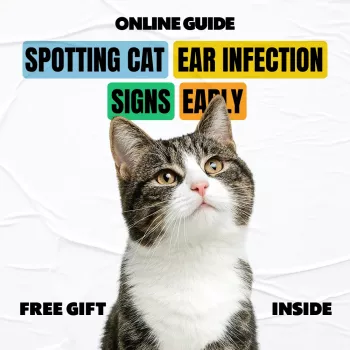
Cat Ear Infection Signs: 90-Second Check + Checklist

Spotting Cat Ear Infection Signs Early: A Quick-Check Routine and Printable Checklist
Catching ear trouble early can prevent pain, balance issues, and repeat flare-ups. A simple at-home routine—done in under two minutes—helps track what’s normal for your cat and flags changes that deserve a vet call. Below you’ll find what to look for, how to check ears safely, what common causes can look like, and when symptoms move from “monitor” to “urgent.” For more guidance, see Cat Ear Infection Symptoms: How to Spot the Signs Early – Rexvet.
Why early detection matters
Ear problems can snowball fast. Moisture, wax, and inflammation feed into each other, creating a cycle that’s harder to break once it’s established. Cats also tend to hide discomfort, so the first clues may be small: less grooming, a mild head tilt, avoiding being touched, or acting unusually cranky.
Noting details early—like odor, debris color, and whether one ear is worse—gives your veterinarian a clearer starting point for testing and treatment. Untreated ear issues can lead to intense pain, changes in hearing, balance problems, and secondary skin infections around the ear.
For a veterinary overview of feline ear conditions, see Cornell Feline Health Center — Ear Disorders in Cats.
Fast at-home ear check (60–90 seconds)
Pick a calm moment—after a meal or play—when your cat is most relaxed. Use good light and have a treat ready so the routine stays low-stress.
Step-by-step quick check
- Look first, touch second: Compare both ears for symmetry, redness, swelling, or crusting on the pinna (outer flap).
- Sniff test: A strong, sour, or yeasty smell is often an early “something’s off” signal.
- Check for debris without probing: You’re only observing what’s visible—no digging into the canal.
- Gentle touch only: Lightly rub the ear base. Flinching, sudden agitation, or pulling away can mean tenderness.
- Watch the after-reaction: Head shaking or pawing right after the check can indicate irritation.
If your home feels hectic when you try to do quick care routines, keeping a consistent, clutter-free spot can help reduce stress and make checks easier to repeat. A home organization guide like Clear Pathways: Mastering High-Traffic Spaces at Home can be useful for setting up a simple “pet care station” with treats, a towel, and your notes.
Common early warning signs to log
- More head shaking than usual, especially after grooming or waking up.
- Scratching at one ear or rubbing the ear on furniture or carpet.
- Redness inside the ear flap, or skin that looks inflamed, thickened, or unusually warm.
- Ear odor that’s new or stronger than typical.
- Debris or discharge: color (black/brown/yellow), texture (dry/greasy/thick), and amount (trace/moderate/heavy).
- Sensitivity: pulling away when the ear is touched or when the head is petted.
- Behavior changes: irritability, hiding, reduced appetite, less play, or reluctance to be handled.
- Balance-related hints: head tilt, stumbling, or nausea (these elevate urgency).
Quick guide: signs, what they can suggest, and next steps
| What you notice | What it can suggest | What to do next |
|---|---|---|
| Frequent head shaking, mild redness | Irritation, early inflammation | Monitor closely for 24 hours; avoid cleaning unless directed; schedule a routine vet visit if it persists |
| Coffee-ground debris, intense scratching | Ear mites (common in multi-pet homes) | Book a vet exam soon; treat all household pets only under veterinary guidance |
| Strong yeasty smell, brown greasy wax | Yeast overgrowth or allergy-related inflammation | Arrange a vet visit; ask whether cytology is needed to confirm yeast vs bacteria |
| Yellow/green discharge, pain when touched | Bacterial infection or mixed infection | Vet appointment promptly; avoid over-the-counter drops unless prescribed |
| Head tilt, balance issues, vomiting | Possible middle/inner ear involvement | Seek urgent veterinary care the same day |
What can trigger ear infections in cats
Many ear flare-ups look similar on the surface, but the underlying trigger matters because treatment differs. Common culprits include:
- Ear mites and other parasites: Often cause intense itchiness and dark debris; contagious among pets. More on typical signs: VCA Animal Hospitals — Ear Mites in Cats.
- Allergies (food or environmental): Can inflame the ear canal and set the stage for recurring wax and infection.
- Moisture and grooming patterns: Water trapped after bathing—or well-meant but improper cleaning—can worsen irritation.
- Foreign material: Plant fragments or excess debris can cause localized inflammation.
- Underlying skin or immune issues: May contribute to chronic or repeat ear problems.
- Anatomy and canal changes: Swelling and thickened tissue can narrow the canal, trapping wax and debris over time.
When to call the vet (and when it’s urgent)
Safe do’s and don’ts for home care
A simple tracking habit: the printable checklist
If you want a ready-to-use format, Printable cat ear health checklist (digital download) is designed for quick weekly tracking and easy sharing at vet visits.
FAQ
Can a cat ear infection clear up on its own?
True ear infections usually need diagnosis and targeted treatment, and waiting can allow pain and inflammation to worsen or move deeper into the ear. If you notice odor, discharge, pain, or persistent scratching, a veterinary exam is the safest next step.
What does ear mite debris look like compared with an infection?
Ear mites commonly produce dark, crumbly “coffee-ground” debris along with intense itching. Because yeast and bacterial infections can overlap in appearance, a vet exam and microscope check are the most reliable way to confirm the cause and choose safe treatment.
Is it safe to clean a cat’s ears at home?
Cleaning is safest only when a veterinarian recommends a specific ear cleanser and method. Never use cotton swabs in the ear canal, and stop immediately if your cat shows pain or if there’s discharge, strong odor, or a head tilt—those signs warrant veterinary care.
Recommended for you


Reading-to-Results Goal Setting That Sticks
Jun 26, 2026













Leave a comment