-
Shop
- Advanced Technologies
- AI Career Advantage Collection
- AI Skills
- AI Skills for Creators & Freelancers
- AI Client Management
- AI Ethics
- AI Mindset
- AI Tools & Prompts
- AI Writing & Content Creation
- Audio, Voice & Music
- Design & Visual Creation
- Email, Messaging & Communication
- Freelancing & Business
- Marketing, Ads & Conversion
- Productivity, Workflow & Automation
- SEO & Search Optimization
- Social Media Content & Growth
- Strategy, Planning & Analytics
- Video Creation & Editing
- Bathroom
- Beauty
- Best-Sellers
- Car Accessories
- Car Buying & Ownership
- Confidence
- Dating & Social Skills
- Digital Resources
- AI & Technology
- Budgeting & Saving
- Cozy Feast Collection
- Electronics & Technology
- Emotional Intelligence
- Entrepreneurship & Business Growth
- Financial Education
- Financial Independence
- Financial Mindset & Psychology
- Goal Setting
- Hobbies
- Kitchen & Recipes
- Leadership
- Mindfulness
- Mindset
- Motivation
- Online Business
- Positive Thinking
- Productivity
- Self Confidence
- Sleep Improvement
- Smart Life with AI
- Stress Management & Relaxation
- Travel Planning
- Yoga & Fitness
- Yoga & Mind-Body Practices
- Education & Learning
- Family & Parenting
- Gadgets
- Health & Beauty
- Health & Wellness
- Home & Garden
- Home Styling & Organization
- Home Supplies
- Kids & Babies
- Legend Footwear Brands Collection
- Online Business for Beginners
- Parenting & Child Development
- Patio, Lawn & Garden
- Personal Growth
- Personal Style & Fashion
- Pet Care
- Pet Lifestyle & Wellness
- Pet Supplies
- Pets
- Smart Amazon Shopping
- Stress Relief & Relaxation
- TikTok Growth & Monetization Mastery
- Travel
- Travel & Adventure
- Wealth
- Wellness
- Popular
- Best deals
Look Taller Fast: Playful Posture Checklist for Daily Confidence
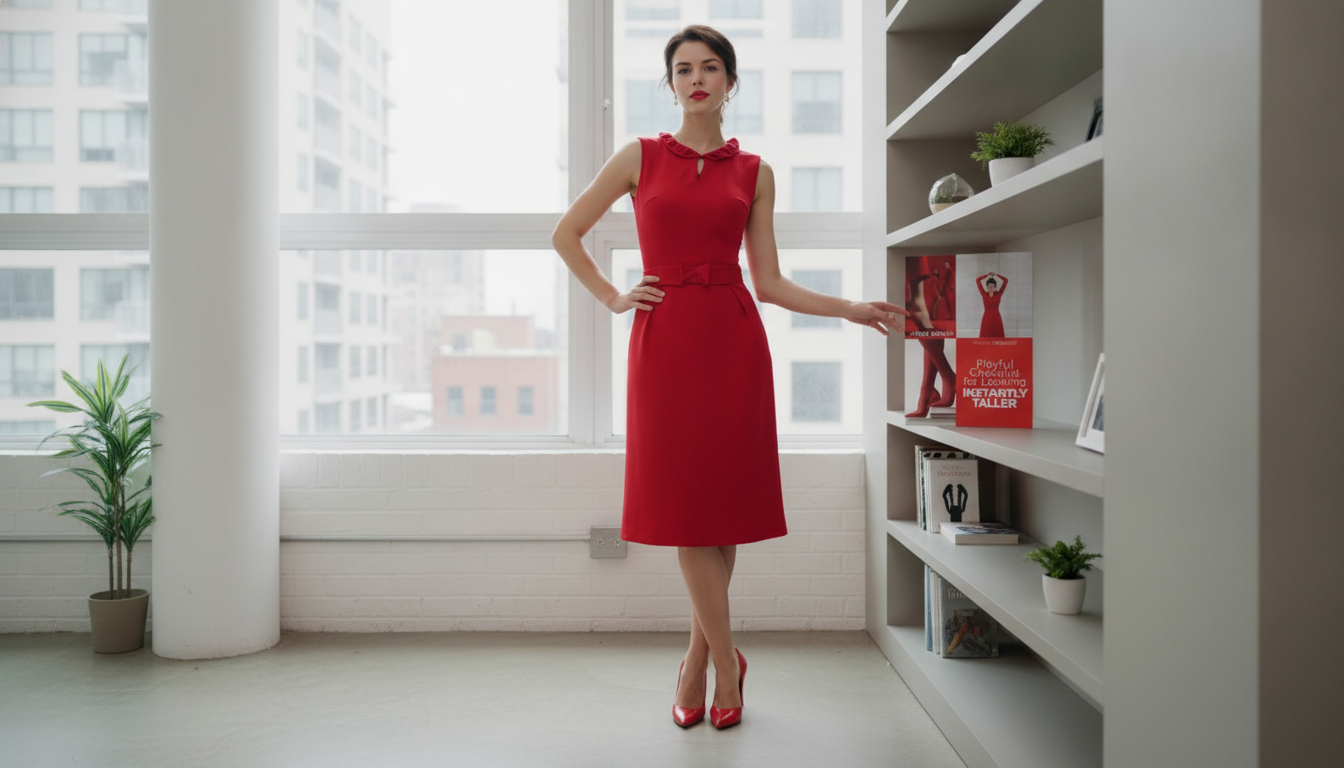
Playful Checklist for Looking Instantly Taller: Easy Daily Posture Fixes for a Confidence Boost
Looking taller often comes down to how the body stacks and moves—head, ribs, pelvis, and feet working together. Small posture tweaks can make height look more “available” immediately, while also reducing the slumped, closed-off vibe that can undercut confidence. This playful checklist turns posture into quick daily cues that are easy to repeat at a mirror, at a desk, or on the go.
The “Instantly Taller” Illusion: What Changes Fast (and What Doesn’t)
Posture can change perceived height right away by reducing forward head, rounded shoulders, and a collapsed ribcage. The goal isn’t “military stiff”—it’s a long, stacked line that looks relaxed and feels breathable. Visual improvements can be immediate from alignment (and how clothes drape), while mobility, strength, and habit-building take longer.
If pain, numbness, tingling, or dizziness shows up when you adjust posture, pause and consult a clinician or physical therapist. For general posture and back-health guidance, see Cleveland Clinic’s posture overview or Mayo Clinic’s posture tips for back pain.
Quick posture shifts and what they affect
| Quick shift | What it changes visually | Common mistake to avoid |
|---|---|---|
| Chin slightly tucked (neck long) | Reduces forward-head slump; adds vertical line from ear to shoulder | Over-tucking (double-chin jam) and looking down |
| Shoulders “down and wide” | Opens chest; prevents hunch that shortens silhouette | Pinching shoulder blades hard (creates rib flare) |
| Ribs stacked over pelvis | Stops the “collapsed middle” look; improves torso length | Over-arching lower back to feel tall |
| Weight centered over mid-foot | Improves stance height; reduces hip hang | Locking knees or leaning on one leg |
Playful Mirror Check: 30 Seconds to a Taller Stance
Use a mirror like a quick “alignment selfie,” not a judgment session. Run these cues once, then walk away before you start over-correcting.
- Set feet hip-width, toes forward-ish, and soften knees (no locking).
- Imagine a string lifting the crown of the head; keep the back of the neck long.
- Let shoulders melt down, then rotate arms so thumbs point slightly forward (subtle chest-opening without strain).
- Stack: ribs over pelvis—exhale gently to bring ribs down if they flare.
- Shift weight to mid-foot: feel big toe, little toe, and heel all grounded.
- Finish cue: “tall, not tense” (if breath is stuck, it’s too rigid).
Desk-to-Doorway Checklist: Tiny Fixes That Add Up All Day
Most “I look shorter” moments happen in the in-between—emailing, scrolling, driving, and waiting in lines. These tiny resets keep your silhouette open without turning posture into a full-time job.
- Screen height: bring the top of the screen closer to eye level to reduce forward head creep.
- Chair cue: sit on “sit bones,” not tailbone—pelvis neutral beats slouching or over-arching.
- Shoulder reset: every hour, shrug up → roll back → drop down (one slow cycle, then stop).
- Jaw and tongue: unclench teeth; rest tongue lightly on the roof of the mouth to reduce neck tension.
- Phone rule: lift the phone toward face rather than dropping head to phone.
- Doorway opener: forearms on the doorframe, step through gently for 2–3 breaths (no aggressive stretching).
Walk Taller: The 3-Step “Glide” Pattern
Walking is where “tall” becomes believable—because it looks natural. Try this three-part glide during a short hallway walk, a dog walk, or the last 60 seconds before you enter a store or meeting.
- Stack before you step: tall crown, ribs over pelvis, arms relaxed.
- Quiet shoulders: let arms swing naturally from the shoulders without hunching or rigid pinning.
- Push the ground away: light heel-to-midfoot contact, then push back with the whole foot (not just toes) to look smooth and upright.
Avoid “model chin” (looking too high), which can compress the neck. Aim for eyes on the horizon. For a playful directional cue, think “headlights forward”—sternum facing forward, not twisted.
Two-Minute Mobility + Strength Micro-Routine (No Equipment)
Confidence Layer: Posture Cues for Social Moments
Printable, Playful Checklist (Daily + Weekly)
Daily checklist you can screenshot
| Moment | Cue | Time |
|---|---|---|
| Morning mirror | Crown up, ribs over pelvis, weight mid-foot | 30 sec |
| Desk reset | Shoulders down/wide, jaw unclenched, screen higher | 20 sec |
| Walking | Push ground away, neck long, arms swing | 1 min check-in |
| Evening unwind | Doorway opener + slow exhale to stack ribs | 60 sec |
A Simple Guide That Keeps It Fun (and Consistent)
A checklist works best when cues are short, repeatable, and attached to everyday triggers. Look for changes that create length without strain—easier breathing and less tension are usually signs alignment is improving. If you want a ready-to-use routine you can keep on your phone (with playful prompts that make it easier to stick with), start here: Playful Checklist for Looking Instantly Taller – Easy Daily Posture Guide, Confidence Boost.
To pair posture with a stronger “presence” in conversations and meetings, add: Speak Up, Shine Bright: Unlocking Confident Communication. And if you want the whole look to match the taller silhouette—especially for casual social plans—try: Coffee-Ready Cozy – What to Wear for Coffee Meetups Checklist.
FAQ
Can posture really make someone look taller instantly?
Yes—stacking head, ribs, and pelvis and reducing slouching can change perceived height immediately. It won’t change bone length, but it can reduce how much height is “lost” to forward head, rounded shoulders, and a collapsed torso.
What’s the fastest posture fix that doesn’t look forced?
Soften your knees, lengthen through the crown of your head, and gently exhale to stack ribs over pelvis. Then let shoulders drop and widen—avoid pinching shoulder blades.
Why do I feel lower-back tightness when I try to stand tall?
That tightness often comes from over-arching the lower back to “create” height. Return to ribs-over-pelvis stacking with a slow exhale, and practice a small hip hinge; if pain persists or worsens, consider checking in with a clinician.
Recommended for you



Cat Ear Infection Signs: 90-Second Check + Checklist
Jun 26, 2026













Leave a comment