-
Shop
- Advanced Technologies
- AI Career Advantage Collection
- AI Skills
- AI Skills for Creators & Freelancers
- AI Client Management
- AI Ethics
- AI Mindset
- AI Tools & Prompts
- AI Writing & Content Creation
- Audio, Voice & Music
- Design & Visual Creation
- Email, Messaging & Communication
- Freelancing & Business
- Marketing, Ads & Conversion
- Productivity, Workflow & Automation
- SEO & Search Optimization
- Social Media Content & Growth
- Strategy, Planning & Analytics
- Video Creation & Editing
- Bathroom
- Beauty
- Best-Sellers
- Car Accessories
- Car Buying & Ownership
- Confidence
- Dating & Social Skills
- Digital Resources
- AI & Technology
- Budgeting & Saving
- Cozy Feast Collection
- Electronics & Technology
- Emotional Intelligence
- Entrepreneurship & Business Growth
- Financial Education
- Financial Independence
- Financial Mindset & Psychology
- Goal Setting
- Hobbies
- Kitchen & Recipes
- Leadership
- Mindfulness
- Mindset
- Motivation
- Online Business
- Positive Thinking
- Productivity
- Self Confidence
- Sleep Improvement
- Smart Life with AI
- Stress Management & Relaxation
- Travel Planning
- Yoga & Fitness
- Yoga & Mind-Body Practices
- Education & Learning
- Family & Parenting
- Gadgets
- Health & Beauty
- Health & Wellness
- Home & Garden
- Home Styling & Organization
- Home Supplies
- Kids & Babies
- Legend Footwear Brands Collection
- Online Business for Beginners
- Parenting & Child Development
- Patio, Lawn & Garden
- Personal Growth
- Personal Style & Fashion
- Pet Care
- Pet Lifestyle & Wellness
- Pet Supplies
- Pets
- Smart Amazon Shopping
- Stress Relief & Relaxation
- TikTok Growth & Monetization Mastery
- Travel
- Travel & Adventure
- Wealth
- Wellness
- Popular
- Best deals
Clutter-Free Home Habit System: Daily, Weekly & Monthly
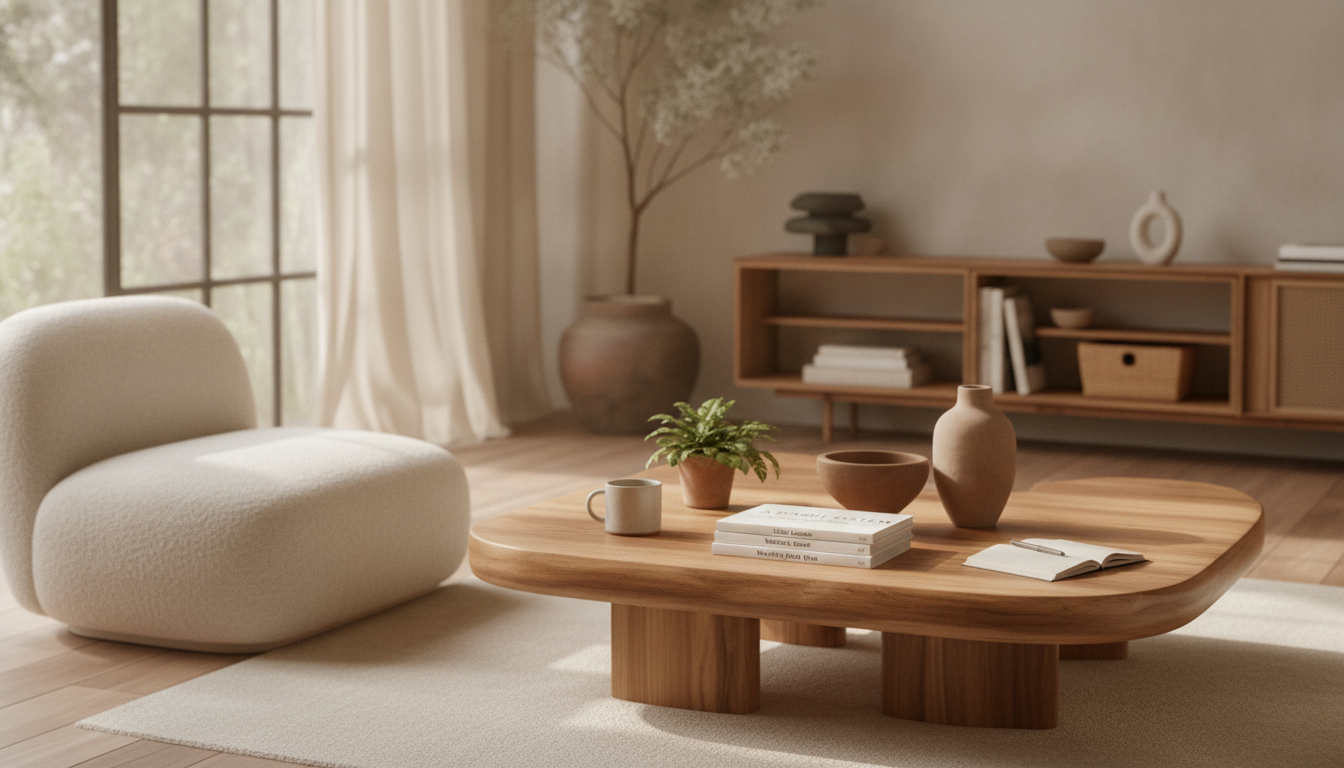
Why clutter comes back (even after a big purge)
A spotless “after” photo feels great—until the clutter sneaks back in. Most of the time, it isn’t because you lack discipline. Clutter returns when everyday decisions get delayed: the package gets set on the counter “for now,” the hoodie lands on a chair “just tonight,” and the mail becomes a stack you’ll “sort this weekend.” Temporary piles quietly turn into permanent ones.
Another common reason is friction. High-effort systems—ones that require long blocks of time, lots of sorting, or perfect motivation—are the first to fail when work gets busy or the house gets loud. The bottlenecks are predictable: entryway drop zones, kitchen counters, mail and paperwork, laundry cycles, and the dreaded “miscellaneous” storage area.
A habit system solves this by giving you defaults: where items go, when resets happen, and what “good enough” looks like on a normal day. That reduces decision fatigue (a key piece of executive function and self-regulation), making follow-through much easier in real life.
What makes a habit system work at home
The most reliable approach is consistency over intensity. Ten minutes a day beats a three-hour cleaning sprint once a month because it cuts “reset time” down to something you can actually keep.
- Use cues that already happen: coming home, finishing dinner, starting laundry, brushing teeth, lights out.
- Keep actions tiny and specific: “clear coffee table” works better than “tidy living room.”
- Make progress visible: a short checklist or weekly streak builds momentum.
- Design for relapse: a weekly reset prevents one chaotic week from turning into a full-blown crisis.
Habits are learned routines that become automatic with repetition; the more you tie a small action to a consistent cue, the less mental energy it requires over time. For a simple definition, see the APA Dictionary of Psychology entry on habits.
What’s inside the 3-in-1 bundle (guides, checklists, and eBooks)
If you prefer a plug-and-play framework, A Habit System for a Clutter-Free Home: 3-in-1 Bundle of Guides, Checklists & eBooks is built around repeatable actions rather than big motivation swings. It combines structured guidance with printable checklists to reduce mental load and speed up your daily reset.
- Guides that help you build decluttering habits without relying on willpower alone
- Printable checklists that keep routines short and clear
- eBooks that connect behavior patterns (the “why”) with realistic routines (the “how”)
- A simple layering method: start with a baseline routine, then add room-by-room habits
Set the foundation in 30 minutes: the “homes” and “rules” setup
Before you add more bins or labels, set up the basics: a few clear “homes” and a few clear “rules.” This is the part that makes daily tidying feel automatic.
Step 1: Choose 5 high-impact “homes”
- Keys/wallet
- Shoes/bags
- Dishes
- Laundry
Step 2: Add one decision rule per hotspot
- “No items live on stairs.”
- “Counters clear before bed.”
- “Mail sorted at the door.”
Step 3: Size storage after you assign the space
Limit containers before buying new ones. Decide where something belongs first, then choose storage that fits that space. This prevents “organizing” from becoming a way to keep too much.
Step 4: Define the minimum standard
Write what “reset” means for each area so anyone can do it (including tired-you): “Shoes on rack, bag on hook, counter empty, sink clear.”
Daily, weekly, and monthly routines that prevent pileups
Think of your home like a system with regular maintenance. Small resets prevent backlog, and a weekly baseline keeps things from drifting. For cleaning and hygiene best practices while you reset, the CDC’s household cleaning guidance is a helpful reference.
| Cadence | Time | Focus | Example tasks |
|---|---|---|---|
| Daily | 10 min | Prevent new clutter | Return items to homes; clear one surface; sort mail immediately |
| Daily | 5–15 min | Kitchen reset | Dishes; wipe counters; prep sink empty for morning |
| Weekly | 30–60 min | Whole-home baseline | Laundry catch-up; trash/recycling; quick floors; donation bag |
| Monthly | 60–90 min | Reduce backlog | One drawer/shelf; restock; review recurring clutter sources |
A simple cadence that works in real homes
- Daily micro-reset (10 minutes): clear one surface, return items to their homes, handle the day’s paper.
- Dinner-close routine (5–15 minutes): dishes, counters, quick sweep in high-traffic zones.
- Weekly reset (30–60 minutes): catch-up laundry cycle, fridge sweep, trash/recycling, quick donation bag, and a “roam and return” round.
- Monthly maintenance (60–90 minutes): one drawer/shelf, restock supplies, refresh drop zones, notice what keeps accumulating.
To make this feel effortless, pair each routine with an existing anchor: morning coffee, after-school arrival, or a bedtime shutdown.
Room-by-room habit triggers (so tidying happens automatically)
Making the system stick during busy weeks
When extra support helps: high-traffic areas and shared spaces
For a focused approach to these hotspots, Clear Pathways: Mastering High-Traffic Spaces at Home provides straightforward rules and routines for keeping busy zones consistently clear.
Who this habit system fits best
FAQ
How long does it take to see a noticeable difference in clutter?
Most homes look noticeably better within 1–2 weeks of daily micro-resets, especially on counters and main surfaces. Bigger, more lasting improvements typically show up after about 4 weeks of consistent weekly resets.
What if other people in the house don’t follow the system?
Start with shared “homes” for common items and keep the rules few and obvious, especially in high-traffic zones. Visual cues (hooks, trays, labeled bins) and quick roles during the weekly reset make participation easier without constant reminders.
Do checklists make tidying faster or just add more steps?
Used well, checklists make tidying faster by reducing decision fatigue and preventing backtracking. Keep the baseline list short (about 5–10 items) and only expand it if it still feels easy to complete.















Leave a comment