-
Shop
- Advanced Technologies
- AI Career Advantage Collection
- AI Skills
- AI Skills for Creators & Freelancers
- AI Client Management
- AI Ethics
- AI Mindset
- AI Tools & Prompts
- AI Writing & Content Creation
- Audio, Voice & Music
- Design & Visual Creation
- Email, Messaging & Communication
- Freelancing & Business
- Marketing, Ads & Conversion
- Productivity, Workflow & Automation
- SEO & Search Optimization
- Social Media Content & Growth
- Strategy, Planning & Analytics
- Video Creation & Editing
- Bathroom
- Beauty
- Best-Sellers
- Car Accessories
- Car Buying & Ownership
- Confidence
- Dating & Social Skills
- Digital Resources
- AI & Technology
- Budgeting & Saving
- Cozy Feast Collection
- Electronics & Technology
- Emotional Intelligence
- Entrepreneurship & Business Growth
- Financial Education
- Financial Independence
- Financial Mindset & Psychology
- Goal Setting
- Hobbies
- Kitchen & Recipes
- Leadership
- Mindfulness
- Mindset
- Motivation
- Online Business
- Positive Thinking
- Productivity
- Self Confidence
- Sleep Improvement
- Smart Life with AI
- Stress Management & Relaxation
- Travel Planning
- Yoga & Fitness
- Yoga & Mind-Body Practices
- Education & Learning
- Family & Parenting
- Gadgets
- Health & Beauty
- Health & Wellness
- Home & Garden
- Home Styling & Organization
- Home Supplies
- Kids & Babies
- Legend Footwear Brands Collection
- Online Business for Beginners
- Parenting & Child Development
- Patio, Lawn & Garden
- Personal Growth
- Personal Style & Fashion
- Pet Care
- Pet Lifestyle & Wellness
- Pet Supplies
- Pets
- Smart Amazon Shopping
- Stress Relief & Relaxation
- TikTok Growth & Monetization Mastery
- Travel
- Travel & Adventure
- Wealth
- Wellness
- Popular
- Best deals
Postpartum Self-Care Reset: Digital Guide for New Moms
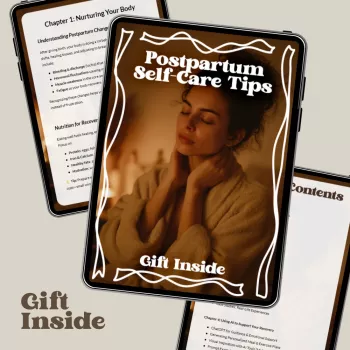
Postpartum Self-Care Tips Guide: a gentle holistic reset for the fourth trimester
Those early weeks after birth can feel like a blur of feeding, healing, and learning a brand-new rhythm. Real postpartum self-care isn’t a luxury or a “spa day”—it’s the small, repeatable supports that help recovery, steadier mood, and a more grounded nervous system. Our team created this digital guide to make those supports easier to remember and easier to do, with simple routines you can start in minutes, even on low sleep.
Postpartum care also includes knowing when to lean on professionals. If something feels urgent or scary, getting medical support is a form of self-care. For a broader overview of postpartum care, you can also reference guidance from ACOG and the World Health Organization.
What postpartum self-care actually means (and what it doesn’t)
Postpartum self-care is best understood as “basic needs, met consistently.” That includes hydration, nourishment, rest, hygiene, pain support, gentle movement, and emotional check-ins. It also includes accepting help—because support reduces stress load, protects recovery time, and keeps your nervous system from running on constant overdrive.
What it is
- Small, stabilizing actions you can repeat: drink water during feeds, eat something with protein, rinse off, sit in daylight.
- Layered recovery support: physical healing (uterus, perineum or incision, pelvic floor), hormonal shifts, milk supply changes, and identity transition.
- Letting someone else carry weight: holding the baby so you can eat, preparing food, handling laundry, or fielding messages.
What it isn’t
- Another performance goal. The aim is stability—do the smallest helpful thing, then repeat it.
- Ignoring red flags. If you have heavy bleeding, fever, severe headache, chest pain, shortness of breath, or thoughts of self-harm, medical care is the self-care step.
The “90-second reset” toolkit for overwhelmed moments
When your brain feels scrambled or your body feels buzzy, a short reset can interrupt the spiral. Keep these options where you feed the baby so you don’t have to remember them under pressure.
- Hydration reset: take 10 slow sips of water before doing anything else; keep a large bottle at your feeding station.
- Breath + shoulders: take 5 slow breaths while dropping your shoulders away from your ears; unclench your jaw and soften your tongue.
- Body scan check-in: ask “Where is the tension?” then release one spot (hands, brow, pelvic floor) for 10 seconds.
- Light + air: open a window, step into daylight for 1–3 minutes, or sit near a bright window to cue your body’s rhythm.
- One-word need: name the most urgent need (“food,” “sleep,” “shower,” “help,” “quiet”) and let that word choose your next step.
Holistic postpartum recovery pillars (simple routines that add up)
Rest strategy (without waiting for perfect sleep)
Instead of chasing a full nap, build a “micro-rest menu” you can use between feeds: eyes closed for 5 minutes, legs up on a pillow, or a quiet audio track that helps your body downshift.
Nourishment that supports healing
Hydration and minerals
Gentle movement
Warmth and comfort
A calming daily rhythm: one page to follow when the days blend together
| Moment | 5-minute option | 10–20 minute option | Why it helps |
|---|---|---|---|
| Morning | 10 sips of water + open curtains | Protein-forward breakfast + sit in daylight | Hydration and light support energy and mood cues |
| After a feed | Shoulder rolls + jaw release | Legs up on pillow + slow breathing | Downshifts nervous system and eases tension |
| Midday | Snack with protein (yogurt, nuts, eggs) | Simple meal + short walk | Stabilizes blood sugar and supports circulation |
| Evening | Warm face wash + fresh clothes | Quick shower + tidy feeding station | Signals “care” and reduces nighttime friction |
| Weekly | Text one helper a clear ask | Schedule one recovery support (PT, lactation, check-in) | Builds a safety net and reduces mental load |
Emotional wellness: gentle mental health supports that fit postpartum life
- Reduce the mental load: keep a single notes app list for reminders; repeat easy meals and outfits; simplify decisions.
- Connection as medicine: one honest check-in per day counts—even a voice note.
- Boundaries that protect recovery: limit visitors, pause group chats, and delay non-urgent obligations until your energy returns.
- Know when to get more support: if symptoms feel intense, last beyond two weeks, or include scary thoughts, professional help is appropriate and effective. For general mental health information, you can review resources from the CDC.
What’s inside our digital guide (and how to use it without adding pressure)
Postpartum Self-Care Tips Guide (digital download) is structured for real days: short, clear tips you can revisit when you’re tired, touched-out, or running on fragmented sleep. It’s holistic in the practical sense—body comfort, nourishment, rest, and emotional steadiness—without turning your recovery into a project.
Pair it with confidence support when identity feels shaken
Confident Again: Your Step-by-Step Guide to Rebuilding Self-Belief complements postpartum self-care by supporting boundaries, self-trust, and small daily actions that rebuild confidence over time—one prompt or one step per day is enough.
FAQ
When is the best time to start postpartum self-care routines?
Start immediately with the smallest basics—hydration, nourishment, rest, and comfort measures. Build gradually; the best time is when it feels doable, even if that means 2 minutes at a time.
Does holistic postpartum self-care replace medical care?
No. Holistic self-care supports recovery alongside medical guidance. If you have concerning symptoms like heavy bleeding, fever, severe headache, chest pain, shortness of breath, worsening mood, or thoughts of self-harm, medical care is the right next step.
How can a partner or friend use this guide to help a new mom?
They can take ownership of the setup (water, snacks, supplies), handle one daily task without being asked, and use the routine ideas to offer concrete options rather than open-ended questions.
Recommended for you

Stop Phone Scrolling at Night: 7-Day Sleep Reset
Oct 13, 2026













Leave a comment