-
Shop
- Advanced Technologies
- AI Career Advantage Collection
- AI Skills
- AI Skills for Creators & Freelancers
- AI Client Management
- AI Ethics
- AI Mindset
- AI Tools & Prompts
- AI Writing & Content Creation
- Audio, Voice & Music
- Design & Visual Creation
- Email, Messaging & Communication
- Freelancing & Business
- Marketing, Ads & Conversion
- Productivity, Workflow & Automation
- SEO & Search Optimization
- Social Media Content & Growth
- Strategy, Planning & Analytics
- Video Creation & Editing
- Bathroom
- Beauty
- Best-Sellers
- Car Accessories
- Car Buying & Ownership
- Confidence
- Dating & Social Skills
- Digital Resources
- AI & Technology
- Budgeting & Saving
- Cozy Feast Collection
- Electronics & Technology
- Emotional Intelligence
- Entrepreneurship & Business Growth
- Financial Education
- Financial Independence
- Financial Mindset & Psychology
- Goal Setting
- Hobbies
- Kitchen & Recipes
- Leadership
- Mindfulness
- Mindset
- Motivation
- Online Business
- Positive Thinking
- Productivity
- Self Confidence
- Sleep Improvement
- Smart Life with AI
- Stress Management & Relaxation
- Travel Planning
- Yoga & Fitness
- Yoga & Mind-Body Practices
- Education & Learning
- Family & Parenting
- Gadgets
- Health & Beauty
- Health & Wellness
- Home & Garden
- Home Styling & Organization
- Home Supplies
- Kids & Babies
- Legend Footwear Brands Collection
- Online Business for Beginners
- Parenting & Child Development
- Patio, Lawn & Garden
- Personal Growth
- Personal Style & Fashion
- Pet Care
- Pet Lifestyle & Wellness
- Pet Supplies
- Pets
- Smart Amazon Shopping
- Stress Relief & Relaxation
- TikTok Growth & Monetization Mastery
- Travel
- Travel & Adventure
- Wealth
- Wellness
- Popular
- Best deals
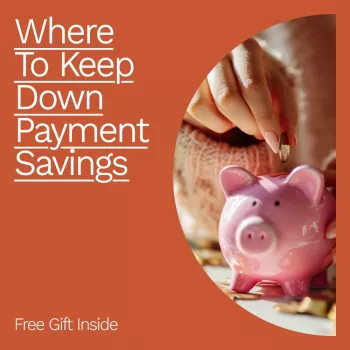
Where to Park Your House Down Payment Money

Where should you keep house down payment savings?
Keep house down payment savings somewhere low-risk, easy to access, and separate from everyday spending. For many buyers, a high-yield savings account is a practical starting point: it can earn interest while keeping cash available for an offer, earnest money, an inspection, or closing costs.
Consider a high-yield savings account
Compare the account’s annual percentage yield, fees, minimum balance, and transfer rules. A strong rate is useful, but access matters too: some transfers take several business days, and a new account may require verification before you can move a large sum. Check that the bank is FDIC-insured or the credit union is federally insured by the NCUA, and understand how deposit insurance limits apply to your accounts and ownership categories.
Other options for money you will not need right away
A money market deposit account may offer competitive interest with convenient access, though terms vary by institution. Short-term certificates of deposit (CDs) or Treasury bills may suit part of the fund if their maturity dates line up with your buying timeline. Before choosing either, review early-withdrawal penalties or the possibility of receiving less than expected if you sell a Treasury bill before it matures.
Match the account to your timeline
If you expect to buy soon or your timing is uncertain, prioritize liquidity over chasing a slightly higher return. Keep the core down payment in insured deposit accounts rather than investments that can drop in value, such as stocks or stock funds. If your purchase is farther away, you could consider a carefully staggered schedule of short-term CDs or Treasury bills, while leaving enough cash accessible for expenses that may come up quickly.
Keep the money organized
Use a dedicated account so you can track progress and avoid accidentally spending the funds. Keep an emergency reserve separate; a home purchase can bring repairs, moving costs, and other bills beyond the down payment. Also save account statements and records showing where large deposits came from, since a mortgage lender may ask you to document your funds.
Compare account features and timing choices in the down payment savings checklist. The right place depends on when you plan to buy, how quickly you may need the money, and how much access you want.
FAQ
Are CDs a good place for a down payment fund?
Short-term CDs can work for money you are confident you will not need before maturity. Check early-withdrawal penalties and keep enough cash in an accessible account for an unexpected offer or expense.
Recommended for you


Real-World Guide: 8K 5G GPS Dual-Camera Drone
Sep 29, 2026
3 Essential Skills Every Virtual Assistant Needs
Sep 30, 2026













Leave a comment